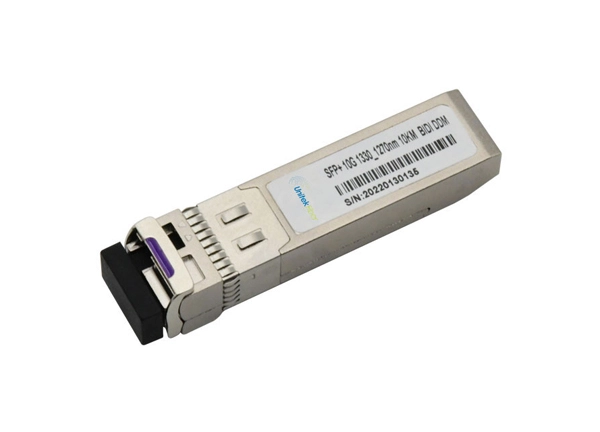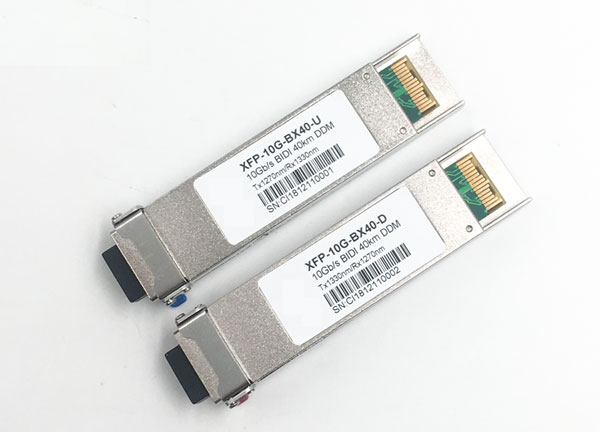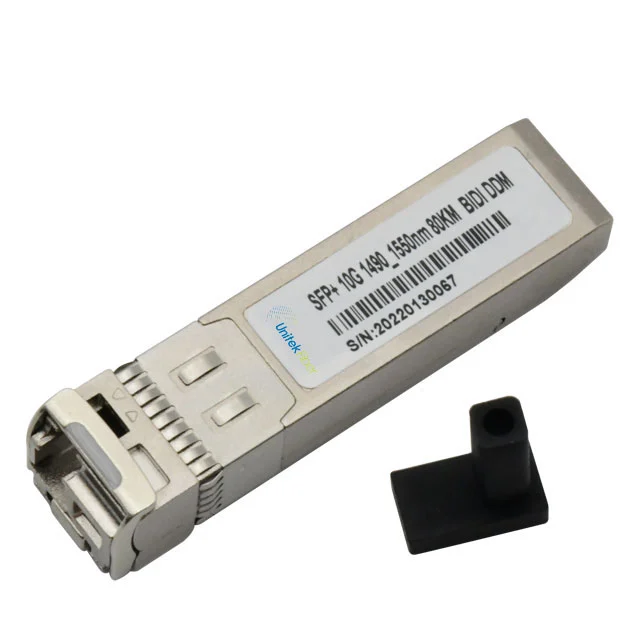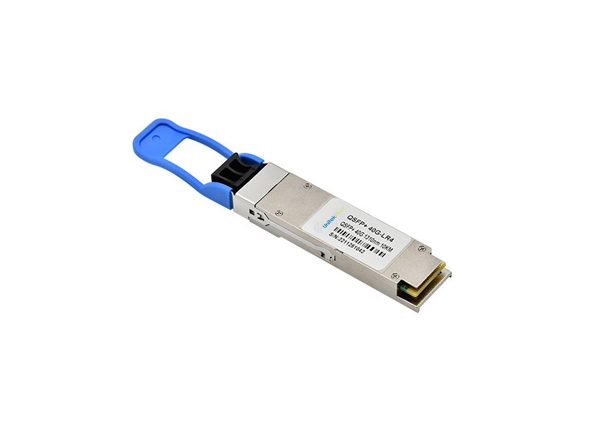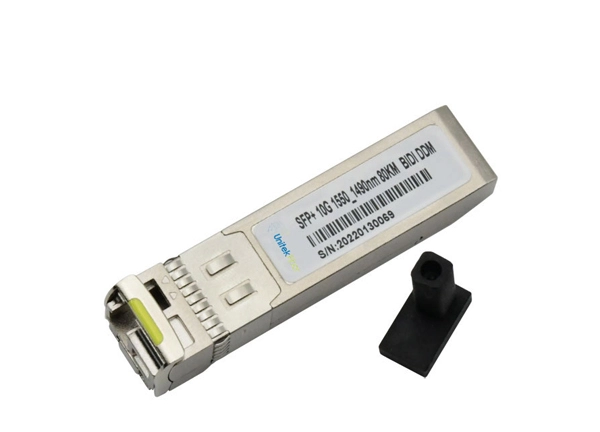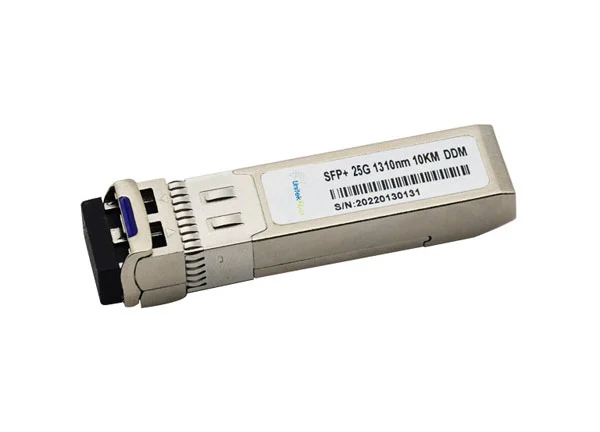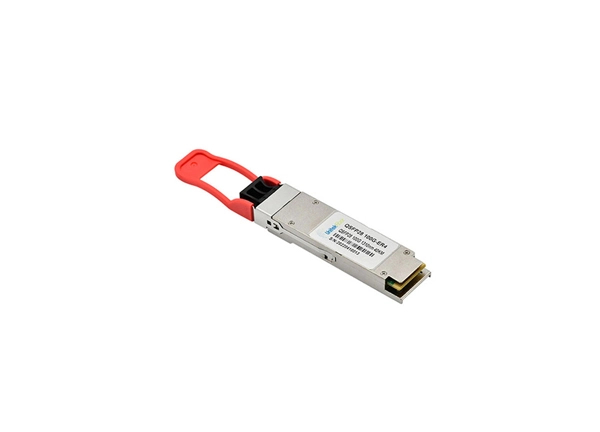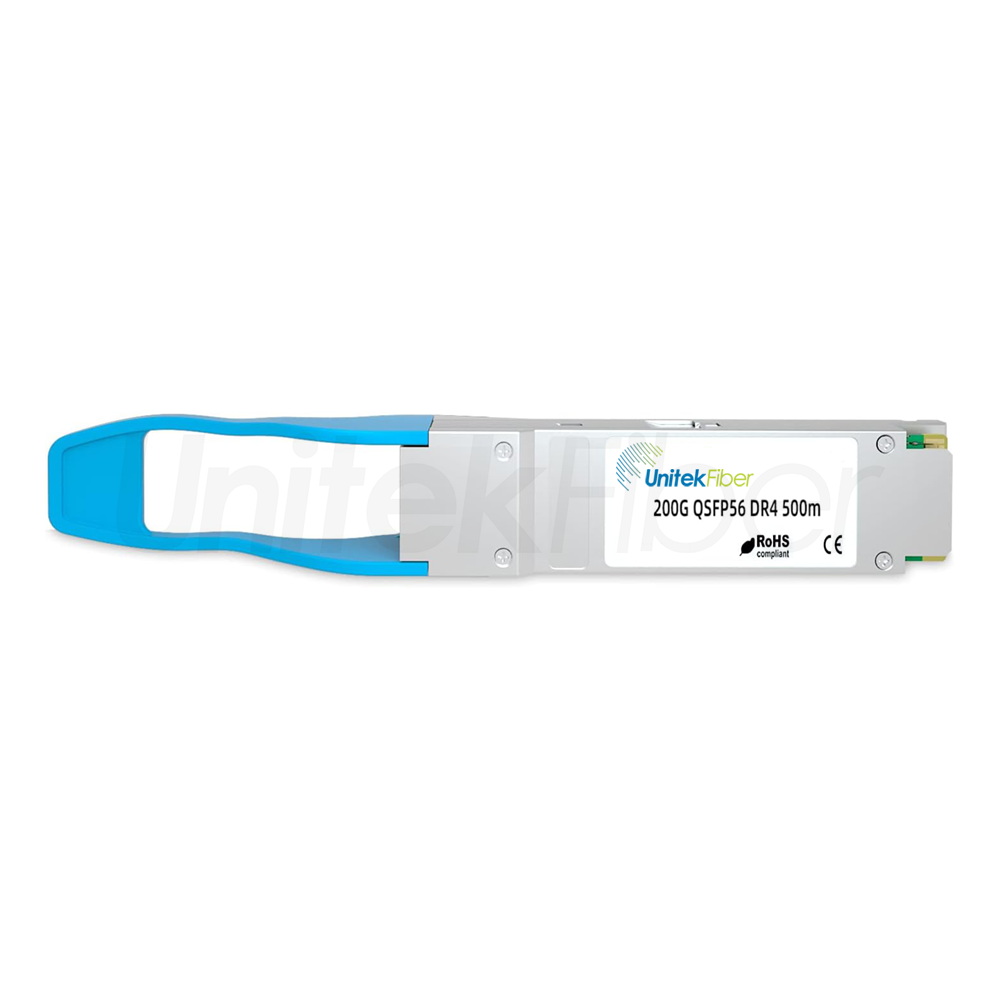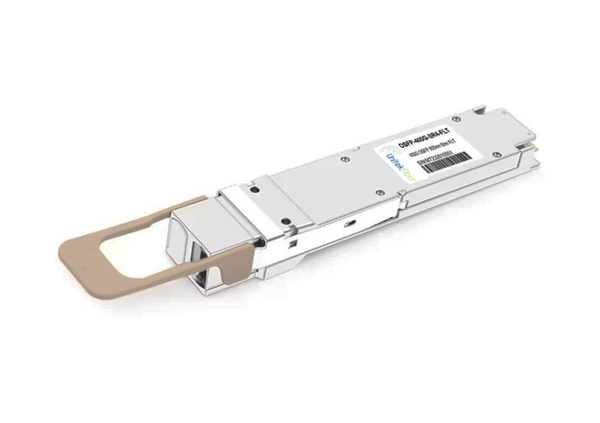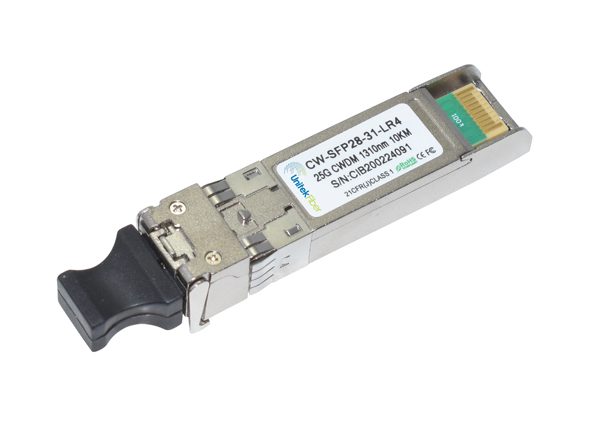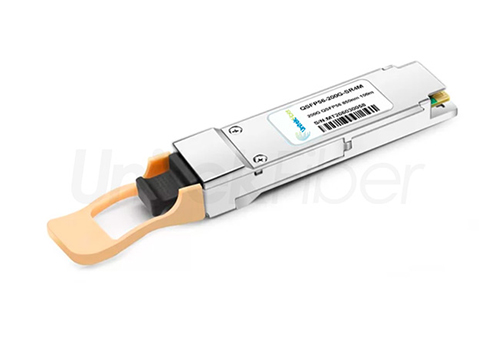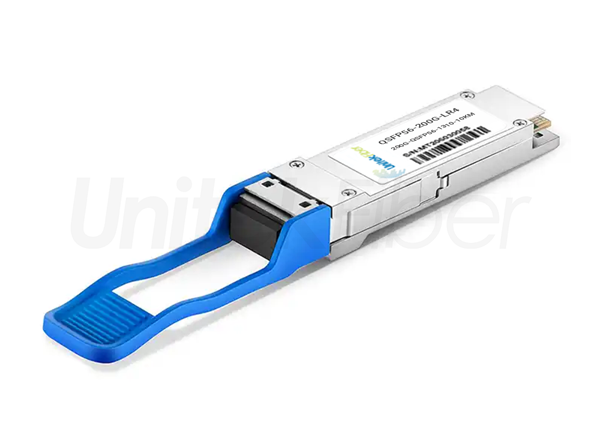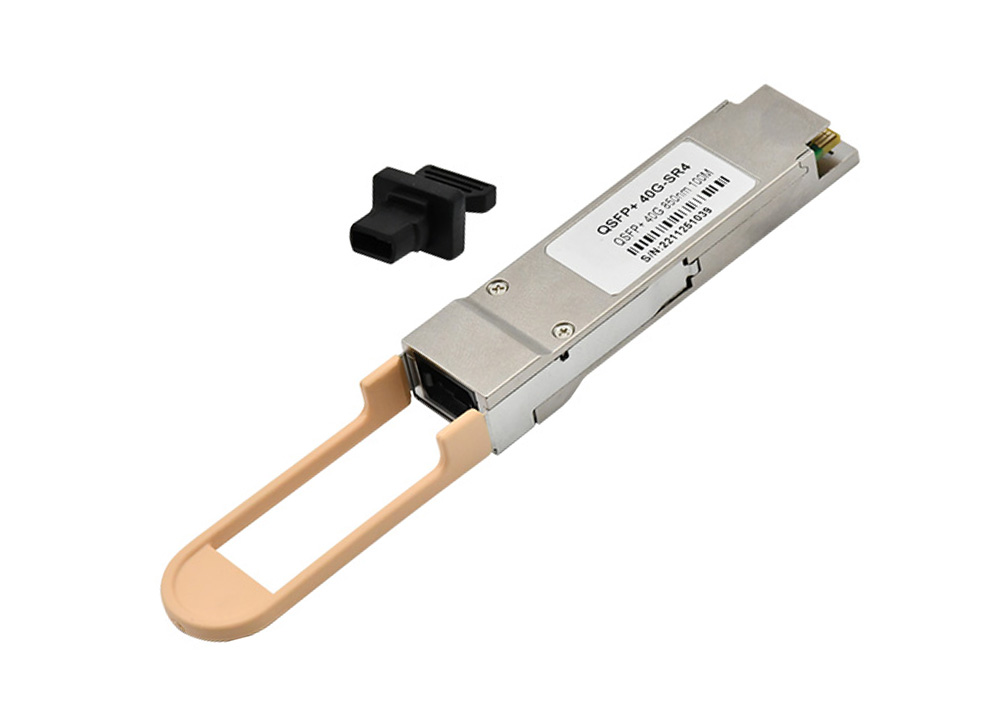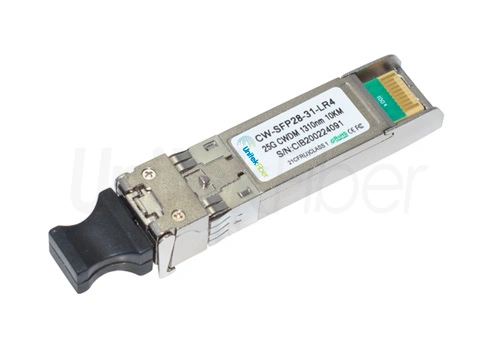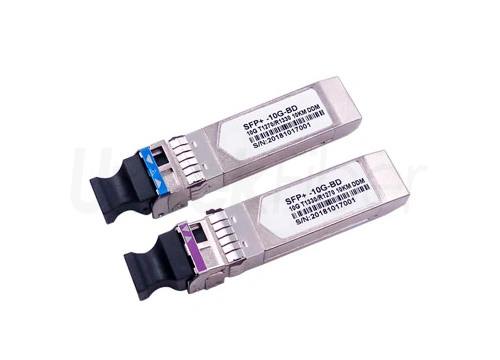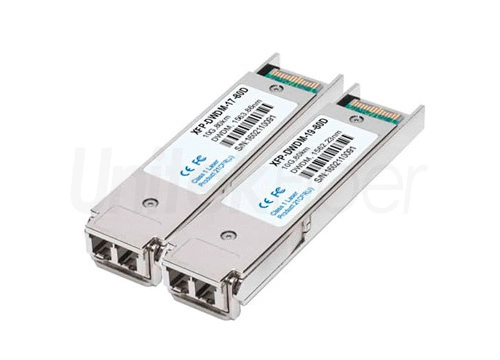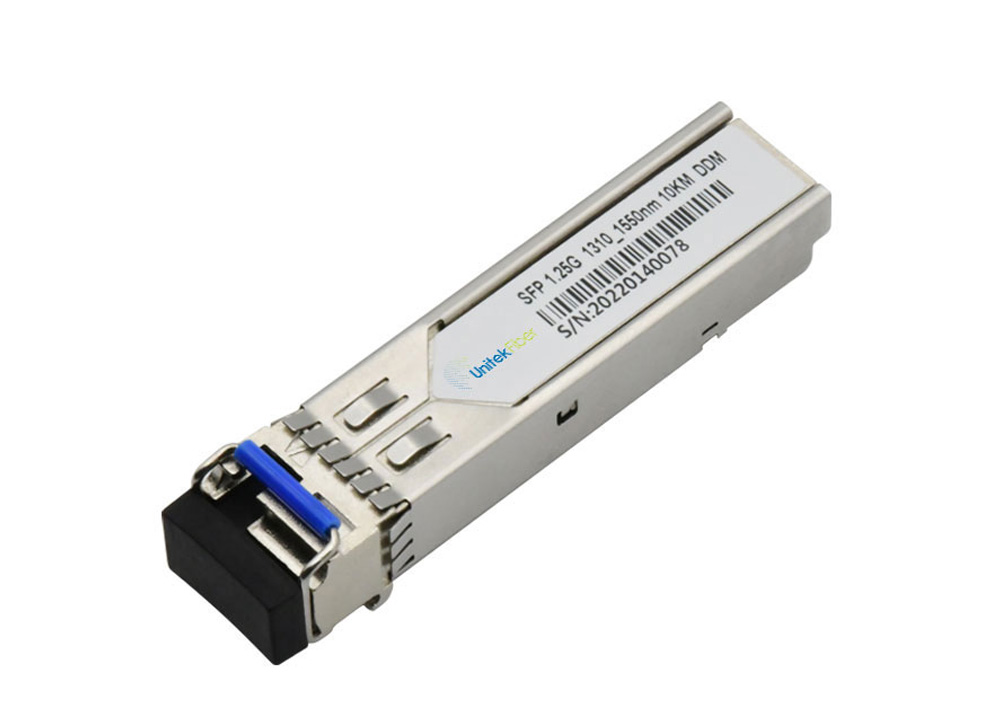

An Optical Transceiver is a critical optoelectronic component that facilitates seamless electro-optical (E-O) and photo-electric (O-E) conversion within fiber-optic networks. Unitekfiber, a global optical transceiver wholesaler, provides a comprehensive portfolio of MSA-compliant transceivers—including 10G SFP+, 40G QSFP+, 100G QSFP28, 200G QSFP-DD/QSFP56, and next-gen 400G QSFP-DD modules.
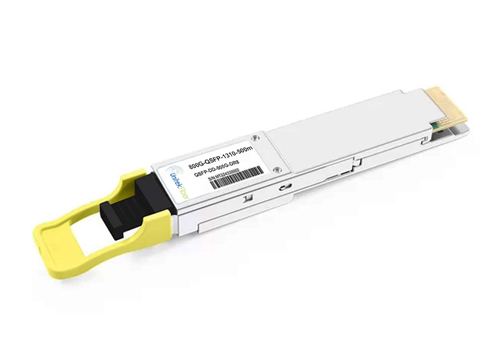
Optical transceiver, also known as optical module, is actually a device that can convert electrical signals into optical signals, thereby speeding up data transmission efficiency. It is mainly composed of: electrical chips, optical chips and optical components. In summary, optical transceivers are efficient data transmission devices. With the rapid development of artificial intelligence (AI) technology, the computing power and data transmission requirements of AI clusters are constantly increasing. In order to meet this demand, transceiver moddule technology is also constantly improving. As a new generation of high-speed optical communication solutions, high-speed optical modules are gradually being used in AI clusters to provide them with more efficient and stable data transmission capabilities. The port rate of the interconnected fiber transceiver in the computer room of the intelligent computing center has reached 800G, and it continues to evolve towards high rates (1.6T/3.2T).
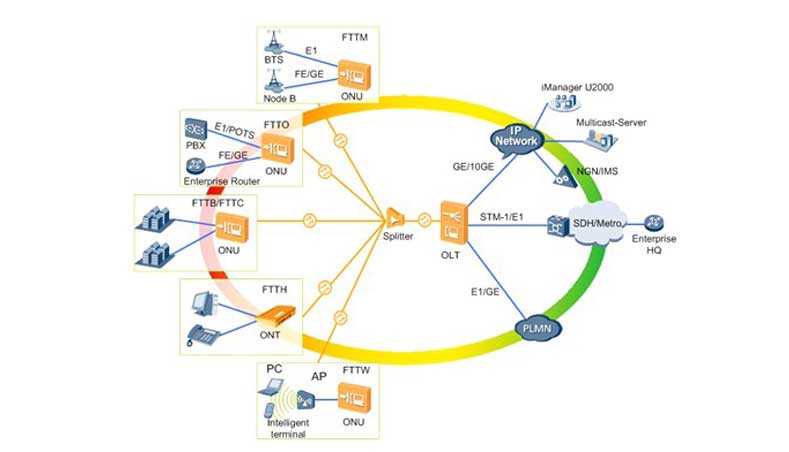
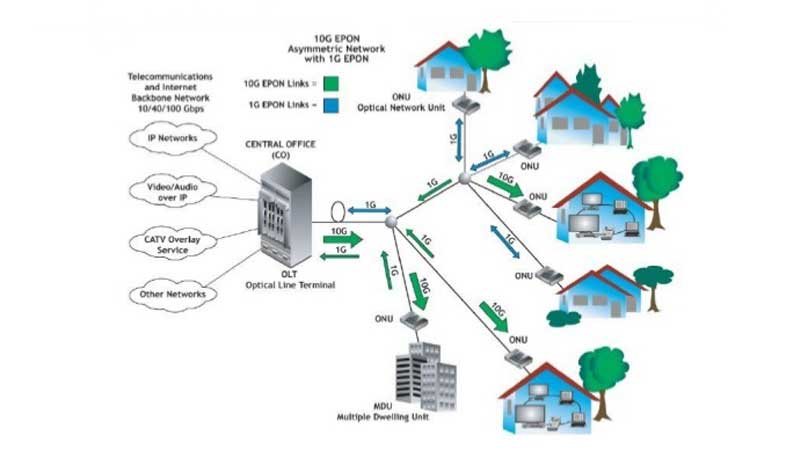
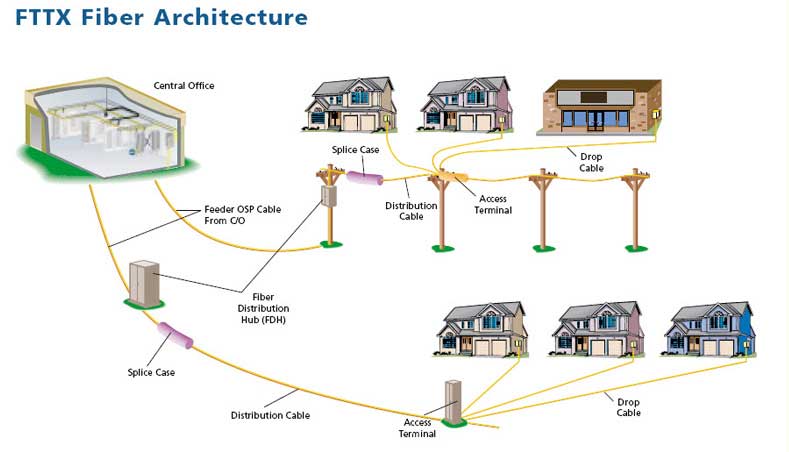
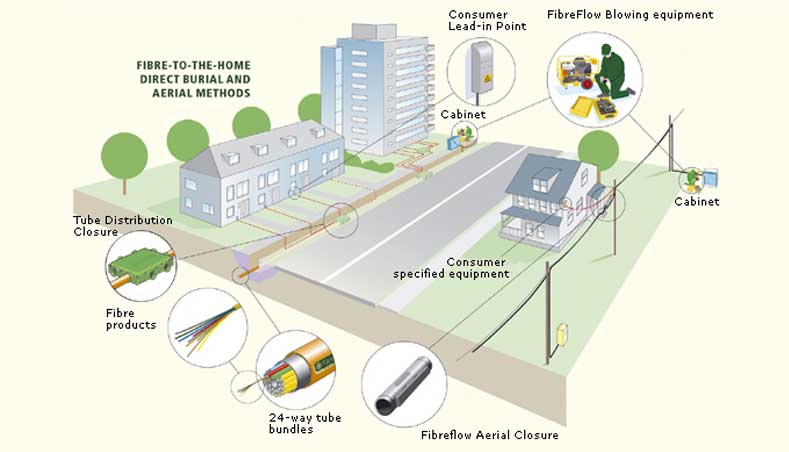
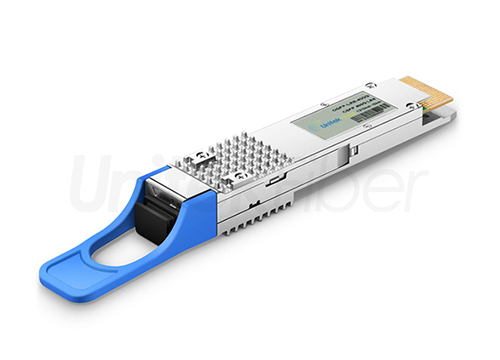
Fiber optic transceiver are divided into the following common types according to the packaging form: SFP, SFP+, SFP28, QSFP+, QSFP28 and QSFP-DD. With the development of optical fiber communication technology, optical modules have been widely used in data centers, telecommunications networks and fiber-to-the-home (FTTH) area to connect servers, storage devices and switches. Through optical fiber network data centers can achieve high-bandwidth, low-latency internal connections. UnitekFiber is professional supplier who provides a comprehensive range of optical transceivers.
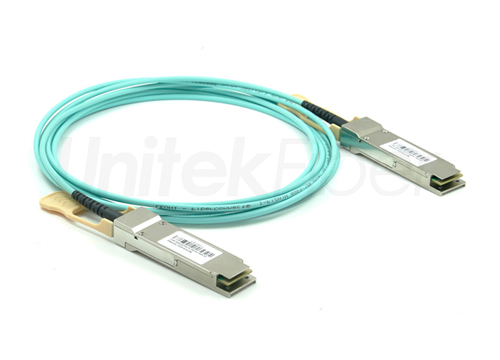
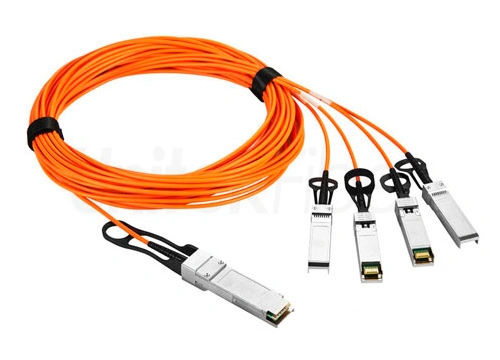
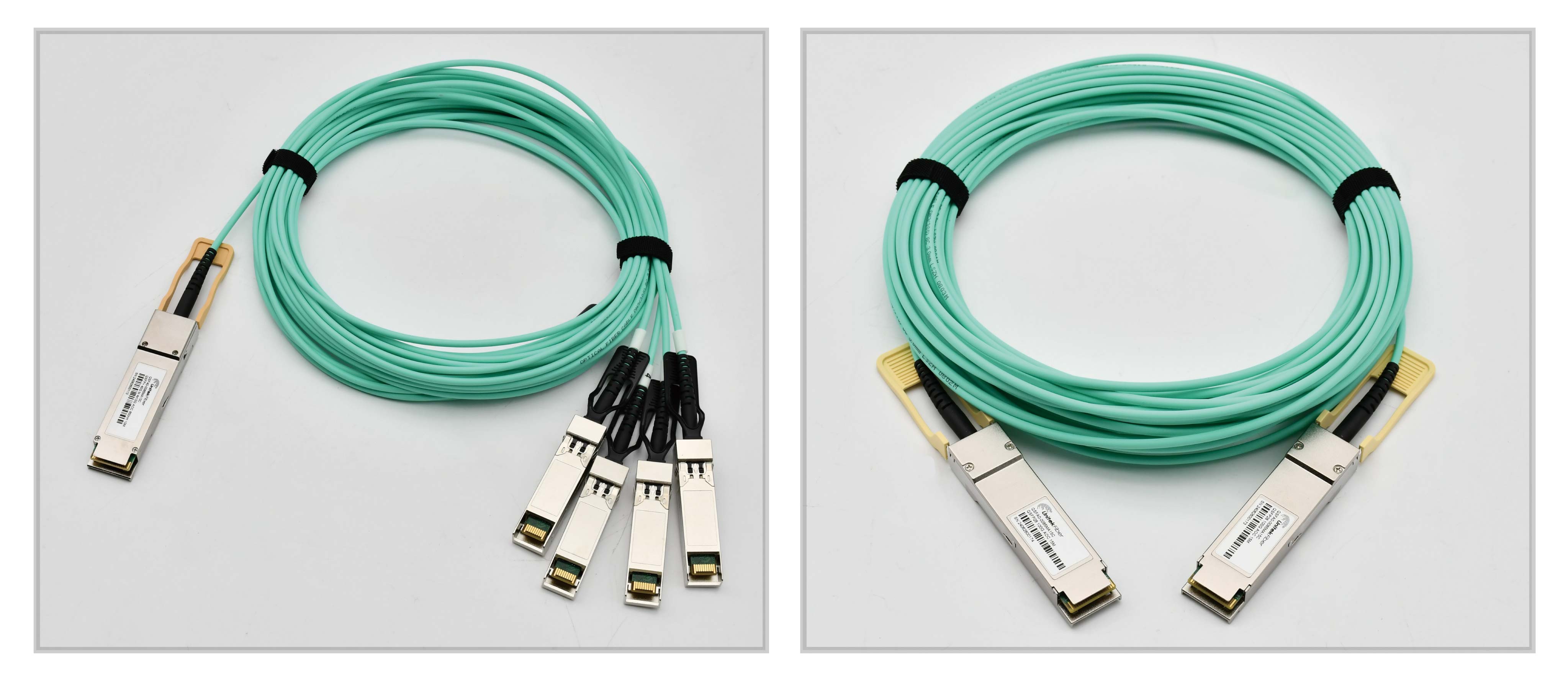
AOCs are great for high-speed transmission and bandwidth because they can use light to transfer data, which is much faster than copper cables. The optical fibers in AOC cable can handle large amounts of data up to over 100 Gbps without losing or damaging the signal over long distances. This high capacity for quickly transmitting large amounts of information makes them ideal for places like data centers, telecommunications networks, or high-performance computing systems. Additionally, active optical cable have low latency and don’t cause much interference with other signals, making them more reliable when used in environments where large amounts of data are moving at extremely high speeds. Discover more about the advantages of AOC cable and the application of AOC cable. UnitekFiber offers 100G AOC cable, 40G AOC cable, 40G-4*10G Breakout AOC cable or etc to meet your business request.
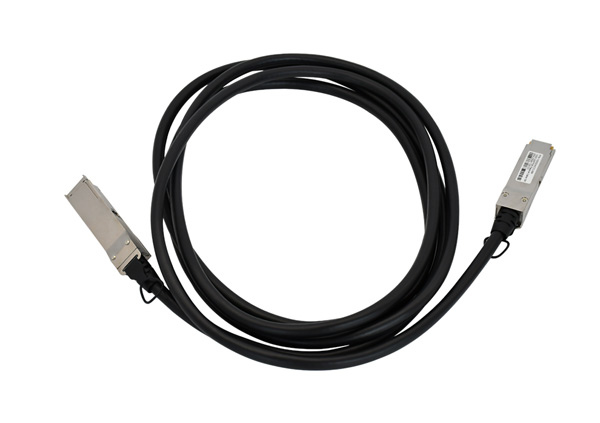
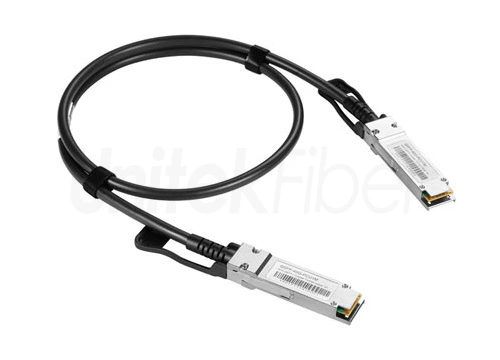
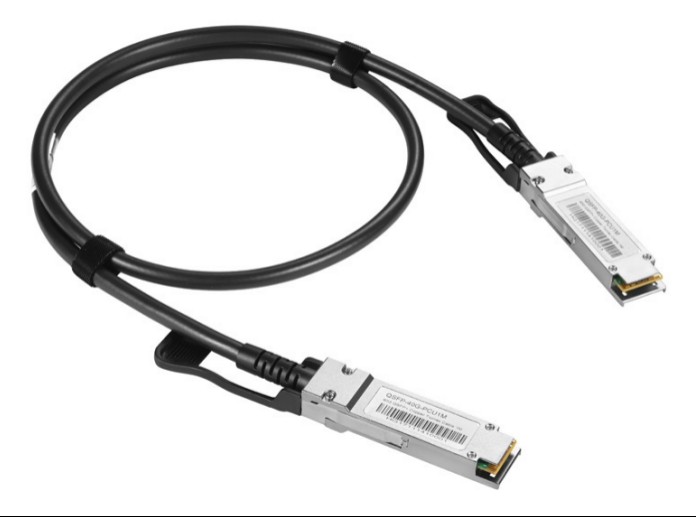
What is DAC Cable? The direct attach copper cable is suitable for short-distance wiring in data centers, has a wide range of applications, such as high-speed data transmission between switches, routers, and servers; interconnecting data centers. The internal material of the high-speed DAC cable is copper core, which has good natural heat dissipation effect and is energy-saving and environmentally friendly. High-speed DAC cables have low power consumption. Using high-speed DAC cables can greatly reduce the wiring cost of the entire data center. If the data transmission distance is less then 10 meters, the DAC cable must be a good choice for you. For more information about the functions of DAC Cable.
UnitekFiber produces all kind of DAC cable, like 25G/40G/100G DAC cable, and 100G-4*25G Breakout DAC cable, and 40G-4*10G Breakout DAC cable or etc.
For a complete guide to DAC cable, go to The Ultimate Guide to Direct Attach Copper (DAC) Cables
Discover AOC Vs DAC Cable, What Is the Difference? Applications of AOC cables and DAC cables in data centers.
As a professional optical transceiver manufacturer and supplier with 10+ years of expertise, Unitekfiber delivers carrier-grade solutions designed to overcome modern networking bottlenecks.
40G QSFP+ Modules: The industry-standard solution for high-bandwidth aggregation and core switch uplinks.
100G QSFP28 Series: Optimized for Leaf-Spine architectures in hyperscale data centers, providing the perfect balance of port density and power consumption.
200G/400G QSFP-DD & QSFP56: Next-generation interconnects supporting 8x50G/100G PAM4 signaling to meet the explosive demands of AI and Cloud computing.
UnitekFiber's products are with strict QC system and all the goods are 100% factory tested to ensure excellent performance. We support business partners from distributors to telecomm contractors globally. We are so glad to support you and to establish business cooperation with you. Feel free to email us at sales@unitekfiber.com for more information of transceiver module, AOC cable and DAC cable.
The Ultimate Guide to Optical Transceivers
What is an OSFP Optical Transceiver?
MMF vs. SMF Optical Transceivers
How to Maintain SFP Optical Transceiver
How to identify and select different SFP optical transceiver modules?
What Are the Applications of Optical Transceiver
What's the Trend of Optical Transceivers from 400G to 1.6T?
SFP 10G SR and SFP 10G LR Which One to Choose?
Typical Application Scenarios for 100G Industrial-grade Optical Transceivers
Optical transceiver, also known as optical module, is actually a device that can convert electrical signals into optical signals, thereby speeding up data transmission efficiency. It is mainly composed of: electrical chips, optical chips and optical components. In summary, optical transceivers are efficient data transmission devices. With the rapid development of artificial intelligence (AI) technology, the computing power and data transmission requirements of AI clusters are constantly increasing. In order to meet this demand, transceiver moddule technology is also constantly improving. As a new generation of high-speed optical communication solutions, high-speed optical modules are gradually being used in AI clusters to provide them with more efficient and stable data transmission capabilities. The port rate of the interconnected fiber transceiver in the computer room of the intelligent computing center has reached 800G, and it continues to evolve towards high rates (1.6T/3.2T).
Fiber optic transceiver are divided into the following common types according to the packaging form: SFP, SFP+, SFP28, QSFP+, QSFP28 and QSFP-DD. With the development of optical fiber communication technology, optical modules have been widely used in data centers, telecommunications networks and fiber-to-the-home (FTTH) area to connect servers, storage devices and switches. Through optical fiber network data centers can achieve high-bandwidth, low-latency internal connections. UnitekFiber is professional supplier who provides a comprehensive range of optical transceivers.
AOCs are great for high-speed transmission and bandwidth because they can use light to transfer data, which is much faster than copper cables. The optical fibers in AOC cable can handle large amounts of data up to over 100 Gbps without losing or damaging the signal over long distances. This high capacity for quickly transmitting large amounts of information makes them ideal for places like data centers, telecommunications networks, or high-performance computing systems. Additionally, active optical cable have low latency and don’t cause much interference with other signals, making them more reliable when used in environments where large amounts of data are moving at extremely high speeds. Discover more about the advantages of AOC cable and the application of AOC cable. UnitekFiber offers 100G AOC cable, 40G AOC cable, 40G-4*10G Breakout AOC cable or etc to meet your business request.
What is DAC Cable? The direct attach copper cable is suitable for short-distance wiring in data centers, has a wide range of applications, such as high-speed data transmission between switches, routers, and servers; interconnecting data centers. The internal material of the high-speed DAC cable is copper core, which has good natural heat dissipation effect and is energy-saving and environmentally friendly. High-speed DAC cables have low power consumption. Using high-speed DAC cables can greatly reduce the wiring cost of the entire data center. If the data transmission distance is less then 10 meters, the DAC cable must be a good choice for you. For more information about the functions of DAC Cable.
UnitekFiber produces all kind of DAC cable, like 25G/40G/100G DAC cable, and 100G-4*25G Breakout DAC cable, and 40G-4*10G Breakout DAC cable or etc.
For a complete guide to DAC cable, go to The Ultimate Guide to Direct Attach Copper (DAC) Cables
Discover AOC Vs DAC Cable, What Is the Difference? Applications of AOC cables and DAC cables in data centers.
As a professional optical transceiver manufacturer and supplier with 10+ years of expertise, Unitekfiber delivers carrier-grade solutions designed to overcome modern networking bottlenecks.
40G QSFP+ Modules: The industry-standard solution for high-bandwidth aggregation and core switch uplinks.
100G QSFP28 Series: Optimized for Leaf-Spine architectures in hyperscale data centers, providing the perfect balance of port density and power consumption.
200G/400G QSFP-DD & QSFP56: Next-generation interconnects supporting 8x50G/100G PAM4 signaling to meet the explosive demands of AI and Cloud computing.
UnitekFiber's products are with strict QC system and all the goods are 100% factory tested to ensure excellent performance. We support business partners from distributors to telecomm contractors globally. We are so glad to support you and to establish business cooperation with you. Feel free to email us at sales@unitekfiber.com for more information of transceiver module, AOC cable and DAC cable.
The Ultimate Guide to Optical Transceivers
What is an OSFP Optical Transceiver?
MMF vs. SMF Optical Transceivers
How to Maintain SFP Optical Transceiver
How to identify and select different SFP optical transceiver modules?
What Are the Applications of Optical Transceiver
What's the Trend of Optical Transceivers from 400G to 1.6T?
SFP 10G SR and SFP 10G LR Which One to Choose?
Typical Application Scenarios for 100G Industrial-grade Optical Transceivers
Generally, no. A standard 1G SFP port cannot recognize the high-speed signaling of a 10G SFP+ module. However, the reverse is often possible: most 10G SFP+ ports are backward compatible with 1G SFP modules, provided the switch software allows manual rate configuration (e.g., speed 1000). Always verify the host device's switching capacity before deployment.
DDM (Digital Diagnostic Monitoring) or DOM (Digital Optical Monitoring) is a feature that allows users to monitor real-time parameters of the transceiver. It tracks laser output power, receiver input power, temperature, voltage, and bias current. This data is critical for proactive network maintenance, allowing engineers to identify fiber aging or link attenuation before a total signal failure occurs.
Duplex Transceivers: Use two separate fiber strands—one for transmitting (TX) and one for receiving (RX). BiDi (Bidirectional) Transceivers: Use WDM (Wavelength Division Multiplexing) technology to send and receive data over a single fiber strand using two different wavelengths (e.g., 1310nm/1550nm). This effectively doubles your fiber capacity without laying new cables.
An Optical Transceiver is a general category of devices that convert electrical signals into optical signals and vice versa. An SFP (Small Form-factor Pluggable) is a specific, compact type of optical transceiver defined by the MSA (Multi-Source Agreement). In short, all SFPs are optical transceivers, but not all transceivers are SFPs (some may be QSFP, OSFP, or older GBIC form factors).
The choice depends entirely on your transmission distance and budget. Multimode (SR/SX): Uses 850nm lasers for short distances (up to 300m-400m) over OM3/OM4 fiber. It is the cost-effective choice for intra-data center links. Singlemode (LR/ER/ZR): Uses 1310nm or 1550nm lasers for long distances (10km to 120km) over OS2 fiber. It is required for campus backbones and metropolitan area networks (MAN).
Third-party transceivers (like those from Unitekfiber) are more cost-effective because they are manufactured using the same MSA standards as OEM brands but without the high brand premium markup. The key difference lies in the EEPROM coding. High-quality third-party modules are coded to be 100% compatible with specific OEM firmware, offering identical performance and DDM functionality at a fraction of the cost.

+86-755-21034367