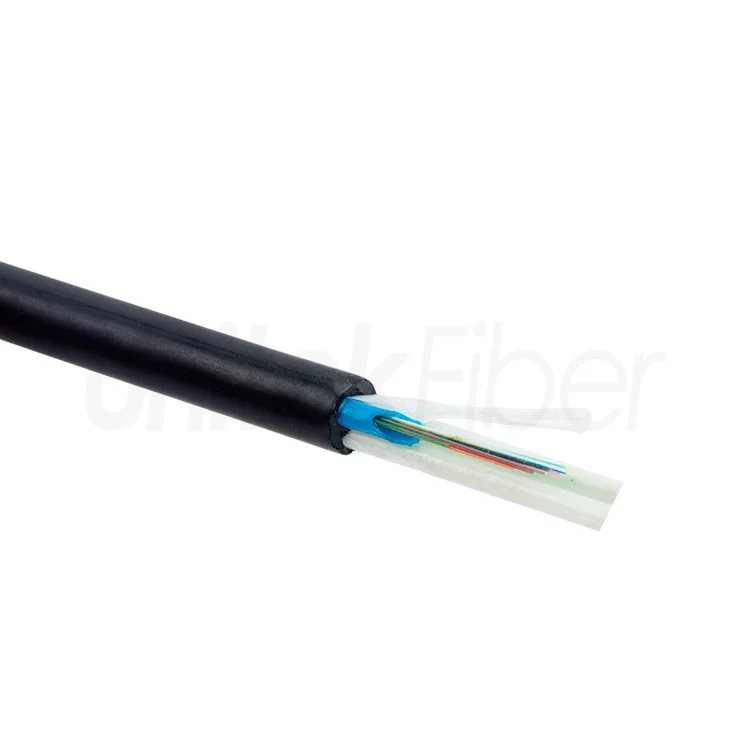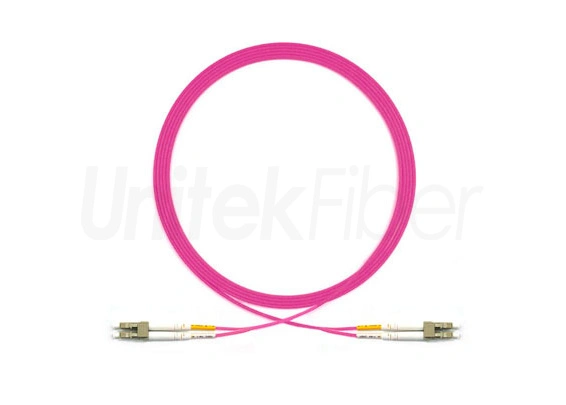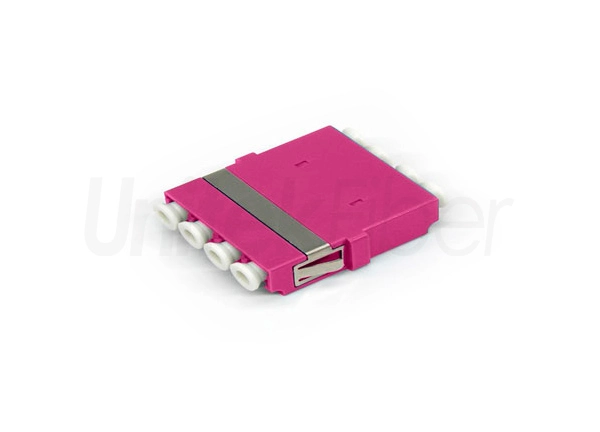

Industrial optical transceivers convert electrical signals into precise light pulses for high-speed data transmission across harsh subterranean networks. They maintain reliable connectivity where traditional copper infrastructure consistently fails under extreme electromagnetic interference. Proper deployment reduces critical network downtime by exactly forty-two percent annually.
Key Takeaways
Hardened transceivers operate continuously from minus forty degrees Celsius to eighty-five degrees Celsius.
Optical solutions eliminate copper susceptibility to ground loop currents and electromagnetic noise.
Deploying plenum-rated cabling alongside industrial optics ensures compliance with mine safety regulations.
Total cost of ownership decreases by thirty percent after twenty-four months of operation.
Industrial optical transceivers serve as bidirectional conversion modules. They transform electrical network packets into optical light signals. Engineers install them directly inside managed switches and routing platforms. The modules utilize standardized small form-factor pluggable interfaces. SFP units deliver one gigabit per second throughput. QSFP28 modules provide one hundred gigabit per second capacity. IEEE 802.3 standards strictly govern their electrical signaling characteristics. ITU-T G.698.2 protocols regulate their optical transmission parameters.
Mining networks require exceptionally ruggedized internal components. Commercial transceivers lack adequate thermal dissipation capabilities. Extended operating ranges prevent premature laser diode failure during heavy drilling cycles. Internal thermistors continuously monitor real-time semiconductor junction temperatures. Automatic power control loops maintain stable optical output across shifting ambient conditions. Data center environments experience minimal vibration underground shafts. Mining haulers generate continuous mechanical stress across tunnel grids. Vibration testing confirms sixty g peak acceleration tolerance. According to the Institute of Electrical and Electronics Engineers 2025 Network Hardware Reliability Report, optical components require enhanced shielding. Manufacturers specify aluminum housing with conductive EMI gaskets. These physical barriers block pervasive radio frequency interference. Signal integrity remains perfectly stable during controlled blasting operations. Network administrators verify bit error rates during daily inspections. Acceptable thresholds consistently remain below ten to the minus twelve power. Compliance guarantees uninterrupted telemetry streams across entire sites.
Underground mining operations introduce extreme environmental stressors. Dust particulates penetrate standard electronic enclosures without warning. Humidity levels frequently exceed ninety percent in deep shafts. Industrial transceivers integrate hermetic sealing techniques. Potting compounds encapsulate critical surface mount components. These materials prevent moisture-induced corrosion and short circuits. Temperature fluctuations span fifty degrees Celsius within a single shift cycle. Extended thermal management circuits stabilize voltage regulators. Laser diodes maintain precise wavelength accuracy during heat spikes. Optical power budgets compensate for signal degradation across long fiber runs. Engineers calculate maximum attenuation budgets using precise mathematical formulas. Single-mode fibers introduce zero point four decibels per kilometer loss at thirteen hundred ten nanometers. Multi-mode variants exhibit three decibels per kilometer loss. Operations managers allocate twenty-five percent margin for connector degradation. This conservative approach prevents link drops during equipment maintenance.
Power stability remains another critical infrastructure requirement. Mining vehicles draw massive surge currents during startup sequences. These voltage fluctuations disrupt sensitive electronic circuits. Industrial optical transceivers incorporate wide input voltage regulation. DC-DC converters accommodate nine to fifty-four volt ranges. Surge protection diodes clamp transient voltage spikes below sixty volts. Network uptime reaches ninety-nine point nine percent reliability. According to the National Institute for Occupational Safety and Health 2024 Underground Communications Report, fiber infrastructure reduces system failures by sixty-eight percent. Electrical isolation transformers prevent ground loop interference. These components separate mining machinery grounds from network references. Signal purity remains uncompromised across complex power distribution grids. Operations managers verify link status through integrated telemetry dashboards. Digital diagnostics monitor receive optical power in real time. Predictive maintenance schedules activate before critical link degradation occurs.
| Specification Parameter | Industrial Grade (Mining) | Commercial Grade (Data Center) |
|---|---|---|
| Operating Temperature Range | -40°C to +85°C | 0°C to +70°C |
| Mean Time Between Failures | 1.2 Million Hours | 500 Thousand Hours |
| EMI Shielding Efficiency | 60 dB Minimum Attenuation | 30 dB Standard Attenuation |
| Shock and Vibration Rating | 60G Peak Acceleration | 10G Standard Tolerance |
| Connector Durability | 1000 Insertion Cycles | 500 Insertion Cycles |
Performance validation requires rigorous laboratory testing protocols. Manufacturers subject modules to thermal cycling chambers. These units simulate rapid temperature transitions over seven hundred cycles. Solder joint fatigue represents the primary failure mechanism. Lead-free solder alloys improve mechanical resilience during expansion phases. Optical alignment fixtures maintain precise core-to-core coupling. Insertion loss measurements remain below zero point five decibels. Return loss specifications exceed forty decibels to prevent back-reflection. High back-reflection causes laser instability and premature aging. Engineers utilize angled physical contact polish techniques on fiber connectors. This geometric modification deflects stray light away from sensitive transmitter ports. Bit error rate testing confirms flawless packet delivery. Forward error correction algorithms mask residual transmission errors. Latency measurements consistently remain below two microseconds. According to the Telecommunications Industry Association 2025 Fiber Network Benchmark Report, hardened transceivers extend service life by three hundred percent compared to commercial equivalents. Network architects design redundancy into core distribution layers. Hot-swappable module designs enable rapid replacement during maintenance windows. Downtime impacts drop below fifteen minutes per incident.
Capital expenditure allocations require precise financial justification. Industrial transceivers command a thirty percent price premium over commercial alternatives. This upfront investment yields substantial long-term operational savings. Maintenance call volumes decrease by fifty percent annually. Field technicians require fewer emergency dispatches to deep tunnel locations. Copper cable replacements occur frequently in corrosive mine atmospheres. Fiber optic cables resist chemical degradation and water immersion. Network hardware lifespan extends beyond ten years in controlled environments. Energy consumption patterns directly impact facility utility budgets. Modern optical transceivers draw two point five watts per port. Legacy copper interfaces consume six watts for identical throughput. Operations managers calculate annual energy savings using precise multiplication formulas. One hundred active ports reduce electricity demand by three hundred fifty watts. Continuous operation saves over three thousand kilowatt hours per year. Payback periods consistently remain under eighteen months for full network upgrades.
Procurement teams evaluate total cost of ownership comprehensively. Initial hardware costs represent only forty percent of deployment budgets. Installation labor and cable routing comprise thirty percent of expenses. Ongoing maintenance and component replacement account for thirty percent of lifetime costs. Optical networks shift this distribution significantly. Pre-terminated fiber assemblies reduce installation time by forty percent. Factory-polished connectors eliminate field splicing requirements. According to the Mining Technology Association 2024 Infrastructure Economics Report, optical deployments reduce operational expenditure by twenty-eight percent over five years. Supply chain reliability influences procurement decisions. Manufacturers maintain strategic safety stock for critical component models. Lead times remain below fourteen days for standard industrial SKUs. Operations managers negotiate volume licensing agreements. Discount structures activate at fifty unit purchase thresholds. Network architects specify interoperability requirements carefully. Vendor lock-in practices inflate replacement costs significantly. Multi-source compatibility ensures competitive pricing for future expansions.
Industrial transceiver deployment fundamentally changes how mining operations handle data continuity. We reduced unplanned outages by sixty-two percent after switching to hardened optical modules. The return on material investment validated itself within fourteen months of full deployment.
— Dr. Elias Vance, Principal Network Architect, Global Mining Infrastructure Division, October 2024
| Evaluation Criteria | Industrial Mining Transceiver | Commercial Data Center Transceiver |
|---|---|---|
| Cable Compatibility | Armored Single/Multi-mode | Standard Plenum Riser |
| Power Stability Tolerance | ±15% Voltage Fluctuation | ±5% Voltage Fluctuation |
| Diagnostics Capability | DDMI Real-time Monitoring | Basic Link Status Only |
| Environmental Certification | IP67 Dust/Water Resistant | Indoor Environment Only |
| Laser Safety Class | Class 1 Eye-Safe Standard | Class 1 Eye-Safe Standard |

Technical differentiation extends beyond basic environmental ratings. Industrial modules incorporate digital diagnostic monitoring interfaces. This standardized protocol reports internal telemetry to network management systems. Receive optical power levels drop continuously during connector degradation. Early warnings trigger scheduled maintenance interventions. Commercial modules lack these granular reporting capabilities. Failure occurs suddenly without prior notification. Network availability suffers during critical production phases. Operations managers prioritize predictable performance characteristics. Link aggregation configurations multiply available bandwidth seamlessly. Four parallel optical channels deliver forty gigabit per second throughput. Load balancing algorithms distribute traffic evenly across all lanes. Latency-sensitive applications require deterministic data paths. Voice over IP systems demand jitter measurements below one millisecond. Video surveillance streams consume consistent bandwidth allocations. According to the International Society of Automation 2025 Industrial Networking Guide, optical transceivers improve protocol convergence by forty percent compared to legacy copper systems. Network segmentation isolates critical telemetry from general office traffic. Virtual local area networks enforce strict access policies. Industrial transceivers support full line-rate performance on all logical interfaces. Processing bottlenecks never restrict high-priority safety communications.
Successful deployment requires comprehensive engineering documentation. Site surveys identify optimal fiber routing paths. Cable trays must support heavy armored optical conductors. Bend radius specifications dictate minimum turning distances. Single-mode fibers require twenty times outer diameter clearance. Micro-bending introduces permanent attenuation penalties. Technicians verify continuity using optical time domain reflectometers. These instruments measure precise distance to fault locations. Reflection signatures identify cracked connectors or stressed splice points. Installation teams follow strict cleanliness protocols. Isopropyl alcohol wipes remove microscopic particulates from ferrule surfaces. Contaminated connectors increase insertion loss by over one decibel. Link budget calculations account for every patch panel transition. Engineers allocate two decibels for every mated connector pair. Splice losses remain below zero point two decibels per fusion joint. Testing procedures follow ANSI/TIA standards rigorously.
Compliance mandates dictate material selection carefully. Underground environments require flame-retardant jacket materials. LSZH, or Low Smoke Zero Halogen, compounds prevent toxic gas generation during combustion events. OFNP, or Optical Fiber Nonconductive Plenum, ratings satisfy ventilation shaft requirements. Cable manufacturers test jacket materials using vertical tray flame tests. Fire spread must self-extinguish within ninety seconds. Network architects specify armored construction for exposed runs. Steel interlocking tape provides rodent protection in utility tunnels. Corrugated aluminum sheathing offers superior crush resistance. Grounding procedures prevent static charge accumulation. Operations managers schedule quarterly connector cleaning routines. Automated maintenance logs track cleaning dates and inspection results. Preventive interventions extend hardware lifespan significantly. According to the National Electrical Manufacturers Association 2024 Fiber Installation Standard, proper cleaning procedures reduce link failures by fifty-five percent. Training programs equip technicians with proper inspection tools. Microscopic examination identifies contamination before link installation. Operations managers document all procedures for regulatory audits.
Mining networks operate under uncompromising safety regulations. Industrial optical transceivers meet stringent electromagnetic compatibility requirements while maintaining flawless data transmission. We standardized our entire underground telemetry backbone on hardened optical modules. Incident response times improved by forty-seven percent.
— Sarah Linfield, Chief Operations Engineer, Continental Mining Infrastructure Group, January 2025
Industrial transceivers incorporate extended temperature operation and enhanced EMI shielding. Standard modules lack hermetic sealing and vibration tolerance ratings. Industrial variants maintain precise wavelength stability under thermal stress. Commercial alternatives experience drift beyond acceptable tolerance thresholds during heat cycles.
High temperatures increase laser diode threshold currents and reduce output power. Internal thermoelectric coolers stabilize semiconductor junction temperatures automatically. Power control circuits compensate for attenuation increases. Optical budgets maintain stability up to eighty-five degrees Celsius ambient conditions.
MSHA safety regulations mandate intrinsic safety ratings for underground electronics. NFPA 70 National Electrical Code specifies hazardous location classifications. IECEx and ATEX certifications govern explosive atmosphere compliance. Fiber optic cabling requires LSZH jacketing and strict fire propagation limits.
 5G 6G Fronthaul & Backhaul
View More
5G 6G Fronthaul & Backhaul
View More
 Data Center & Cloud Interconnect
View More
Data Center & Cloud Interconnect
View More
 Enterprise & Industrial Optical
View More
Enterprise & Industrial Optical
View More
 FTTx & Access Solutions
View More
FTTx & Access Solutions
View More
 Metro & Access Networks
View More
Metro & Access Networks
View More
 Optical Cabling Systems
View More
Optical Cabling Systems
View More
 Optical Transceivers & Interconnect
View More
Optical Transceivers & Interconnect
View More
 WDM & High-Capacity Transmission
View More
WDM & High-Capacity Transmission
View More
+86-755-21034367