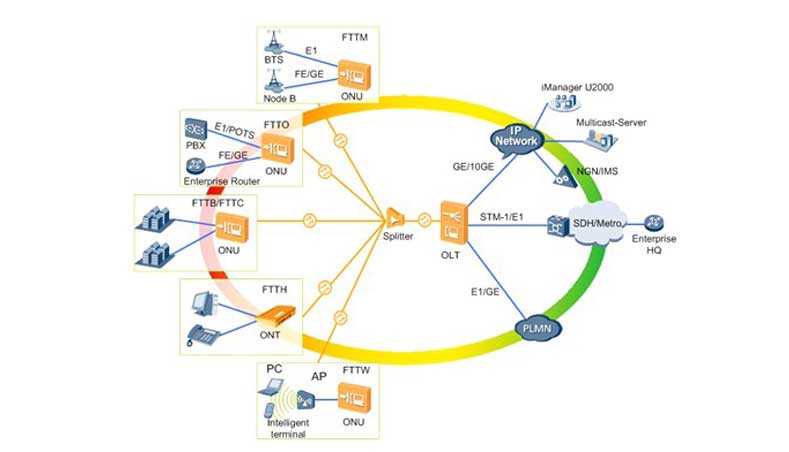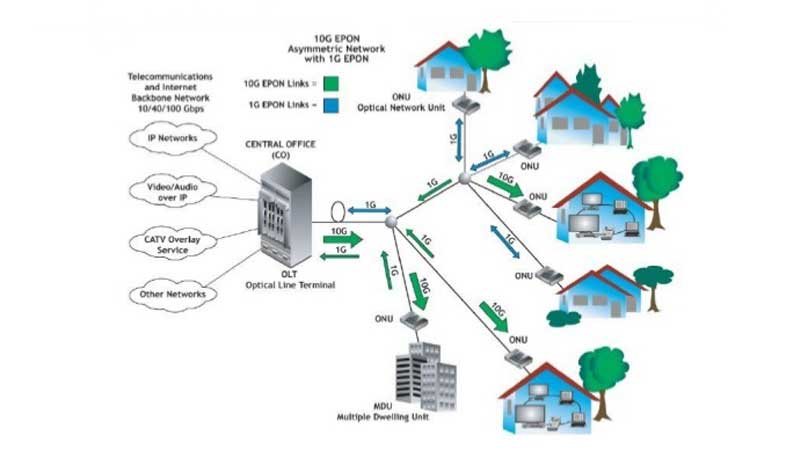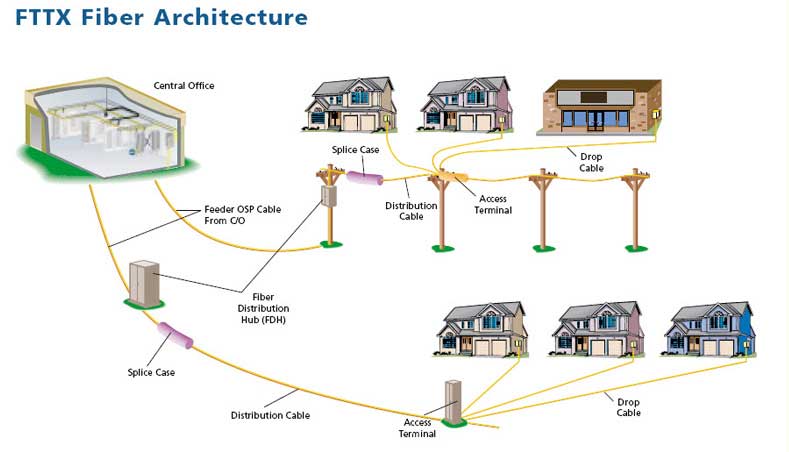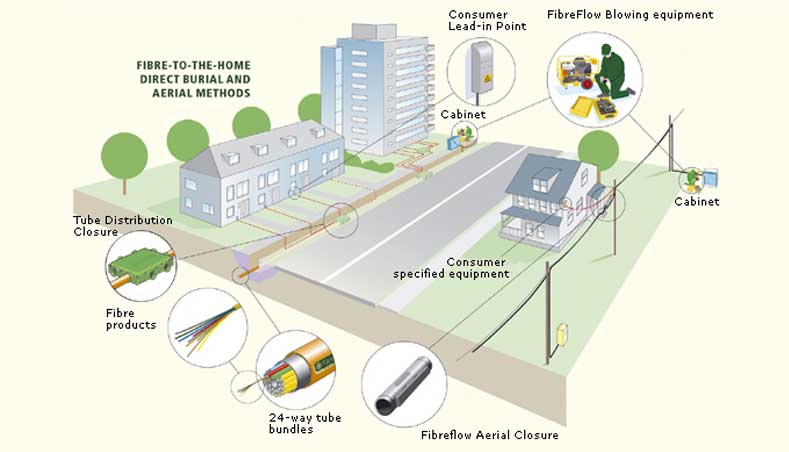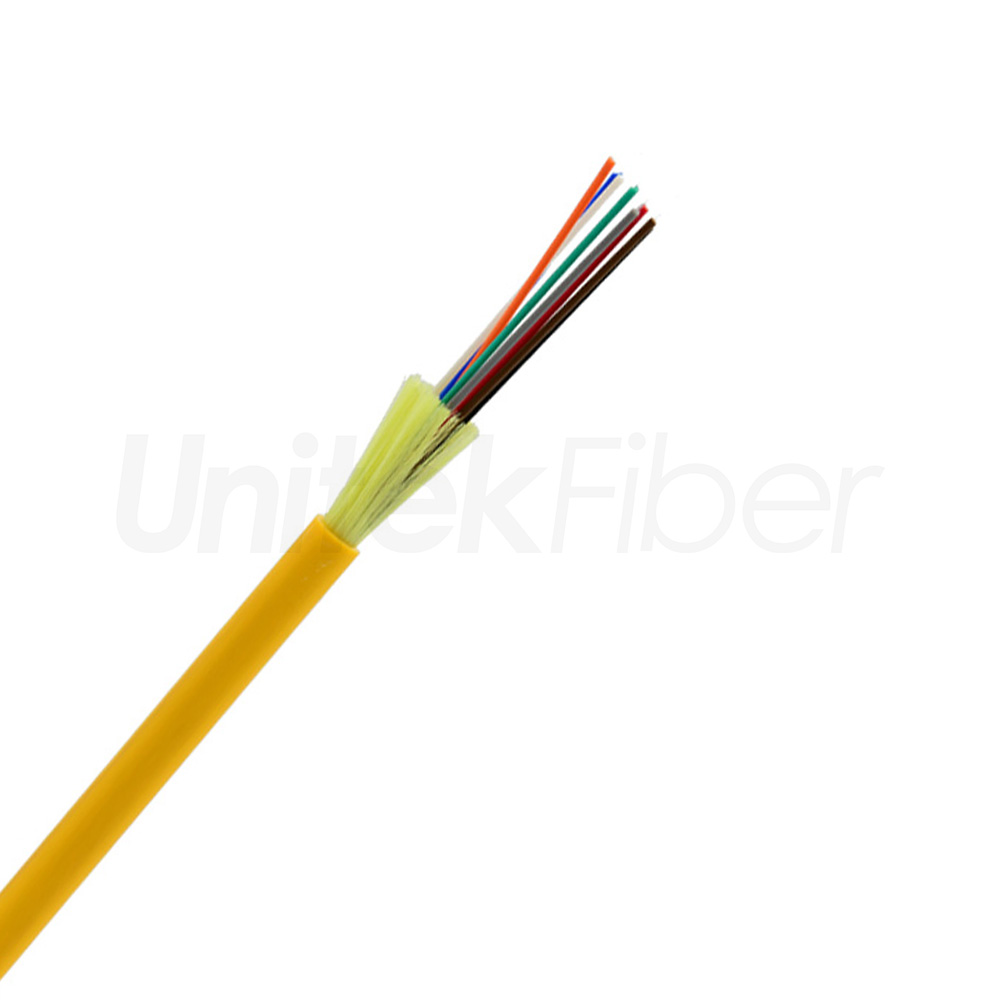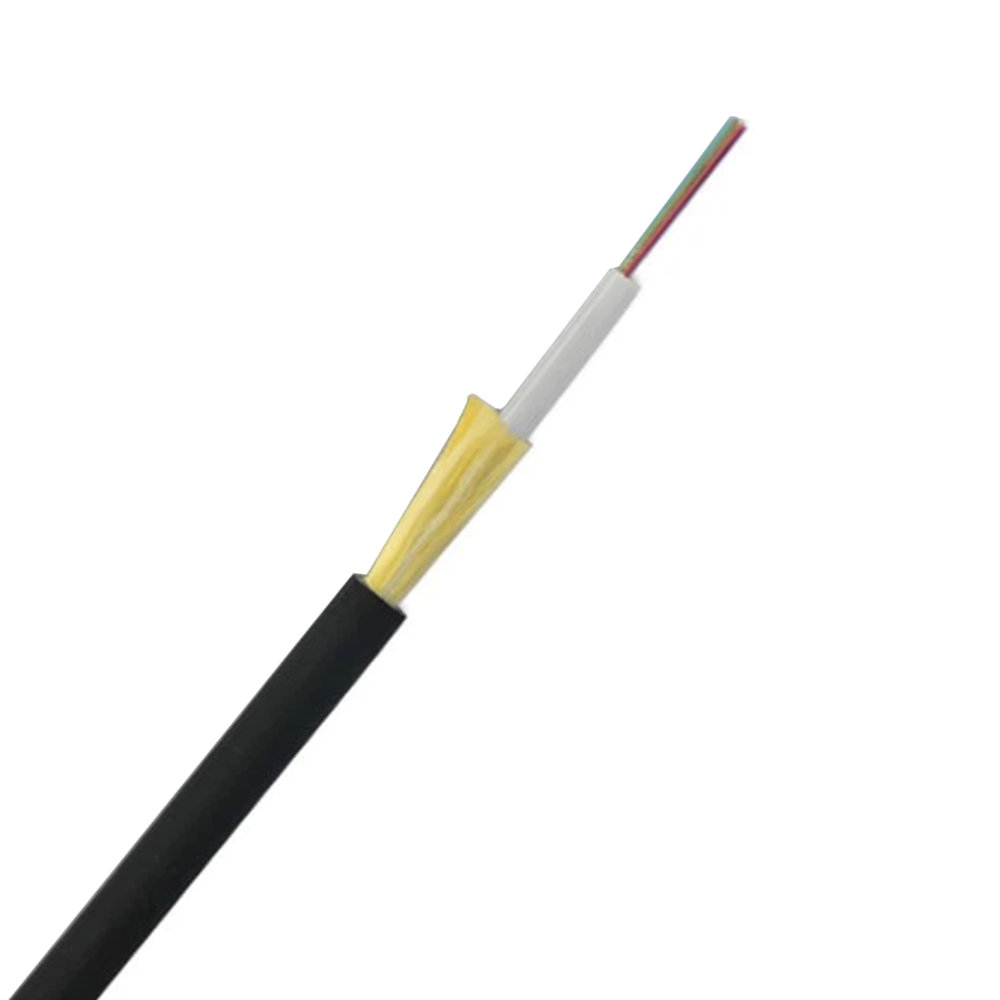

UnitekFiber is a professional Indoor|Outdoor Fiber Optic Drop Cable manufacturer. We provide Tight-Buffered 900μm, Loose Tube 250μm, Toneable and Non-Toneable Fiber Optic Drop Cables for FTTH, FTTx and broadband access networks. Our Fiber drop cables use high quality G.657 bend-insensitive fiber, OFNR/OFNP, LSZH or PE jackets and strong strength members, ensuring excellent tensile, crush resistance and weatherproof performance for aerial, duct, buried and wall-mounted installation. All products feature low insertion loss, high return loss and stable transmission, 100% factory tested and compliant with IEC, Telcordia GR-3120 and RoHS standards.
An indoor|outdoor fiber optic drop cable is a robust and flexible cable that provides durability and reliability in the network deployment. The indoor|outdoor fiber optic drop cable is designed for indoor outdoor building networks, data centers, patch systems, campus installations, equipment interconnections. An indoor/outdoor drop cable has a durable, weather resistant outer jacket and UV protection for outdoor use, but also meets flame retardant requirements for indoor safety. Indoor|outdoor fiber optic drop cable design eliminates the need for a transition splice, simplifying installation and reducing potential points of failure.
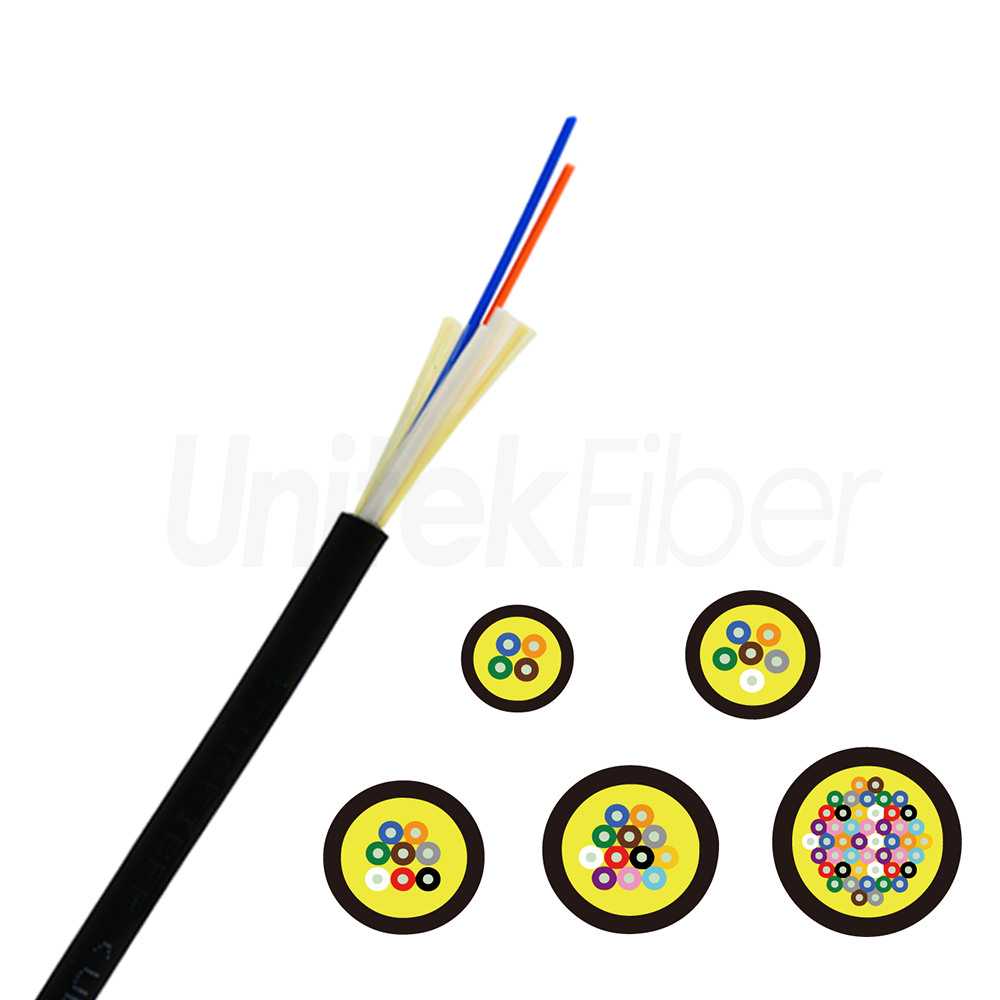
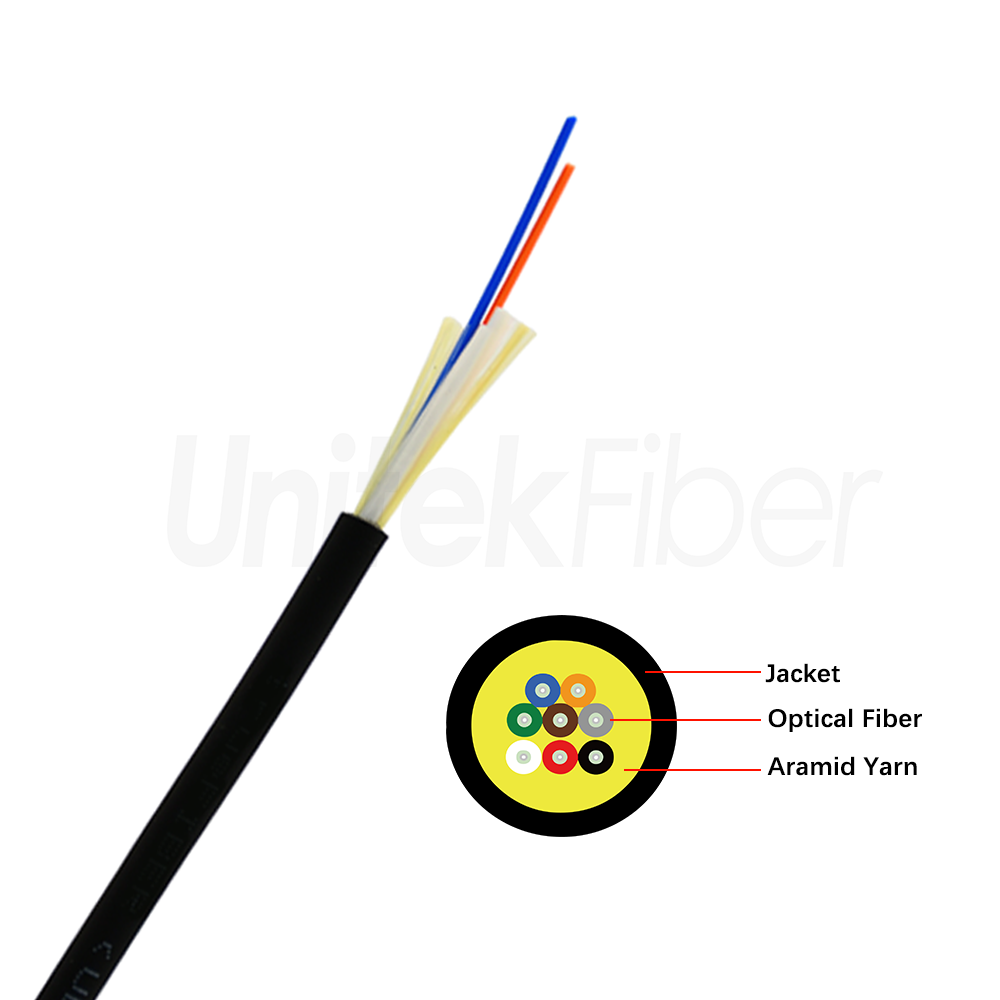
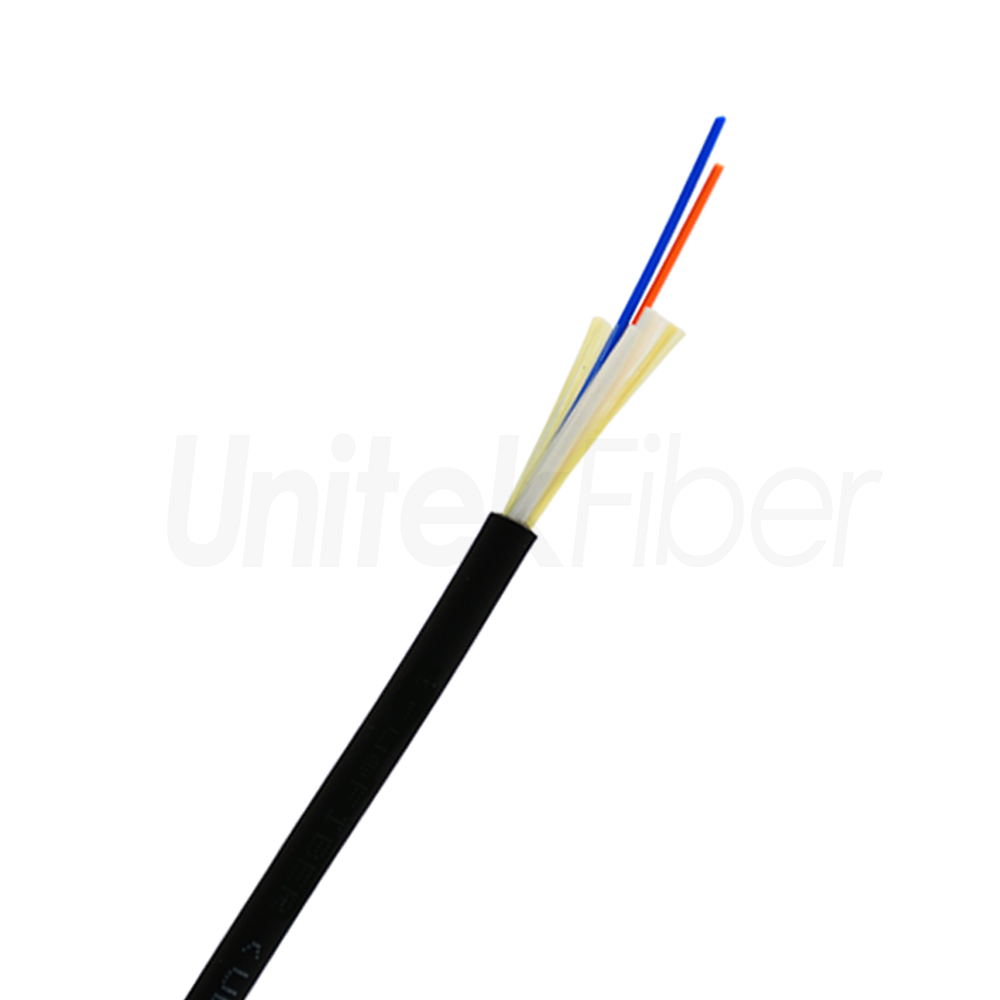
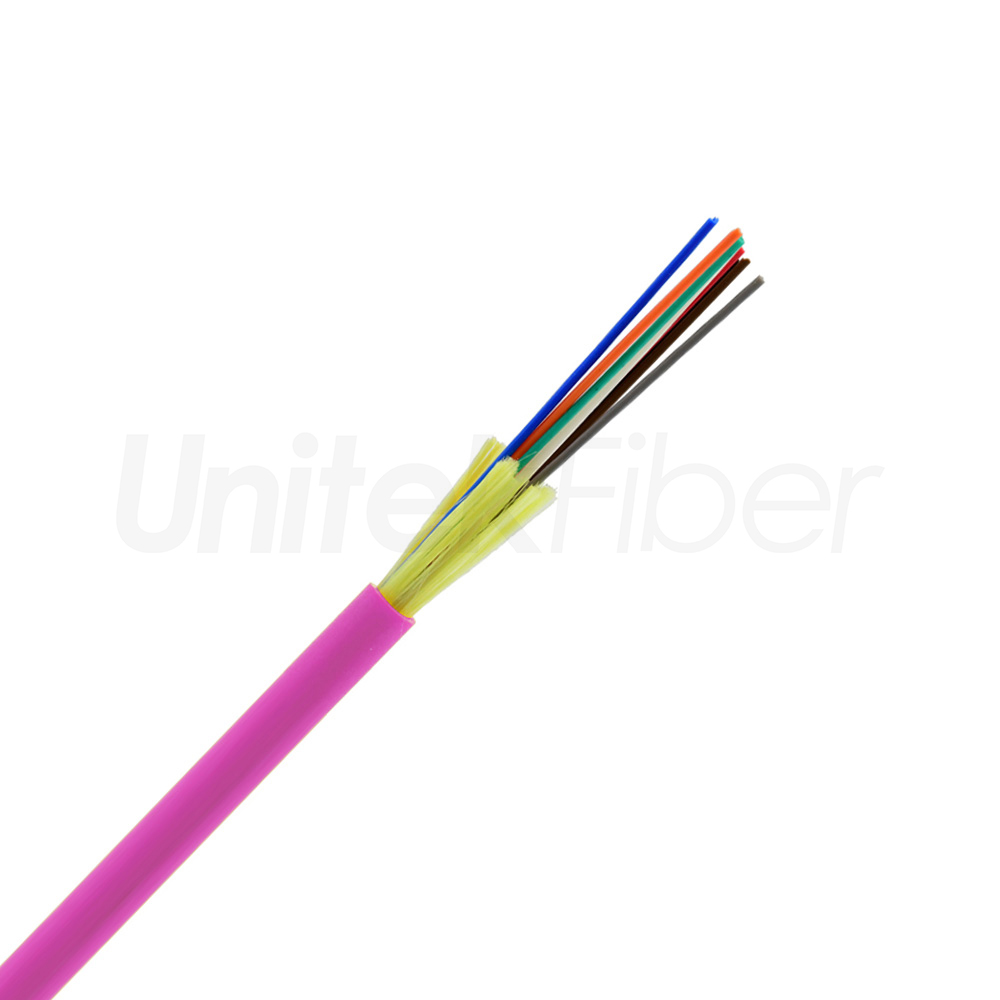
4.0mm/5.2mm/6.2mm 0.9mm tight buffer drop cable typically consists of 1 to 48cores 0.9mm tight buffer, strength members (such as Aramid yarn or glass yarn) and all encased in a protective outer jacket, like PVC, LSZH, OFNR, ORNP, TPU or etc.. The structure of indoor|outdoor FTTH fiber optic drop cable is designed for durability and ease of installation, with the buffer protecting the fragile fibers and the Aramid yarn providing tensile strength for pulling the drop cable without damage.
Tight-buffer fiber optic drop cables are primarily used in indoor outdoor building networks, data centers, patch systems, campus installations, equipment interconnections or etc.
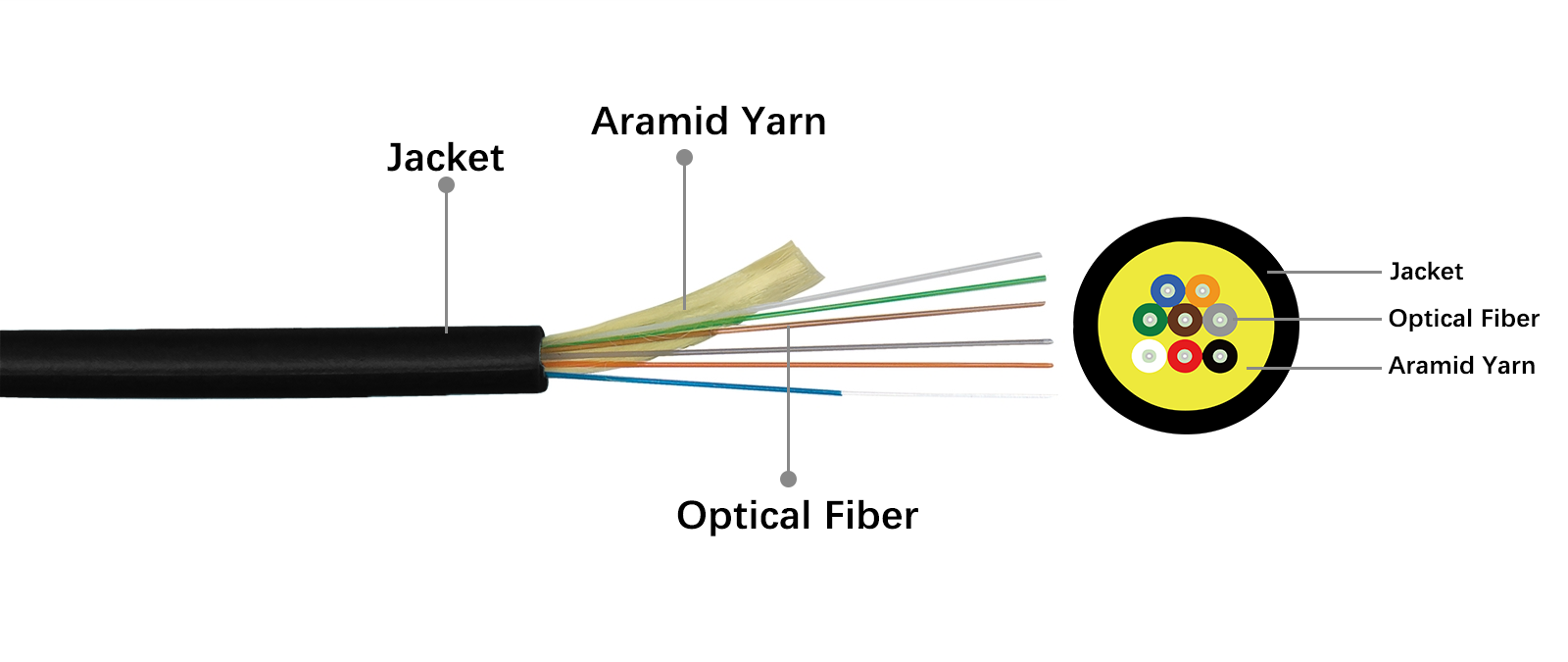
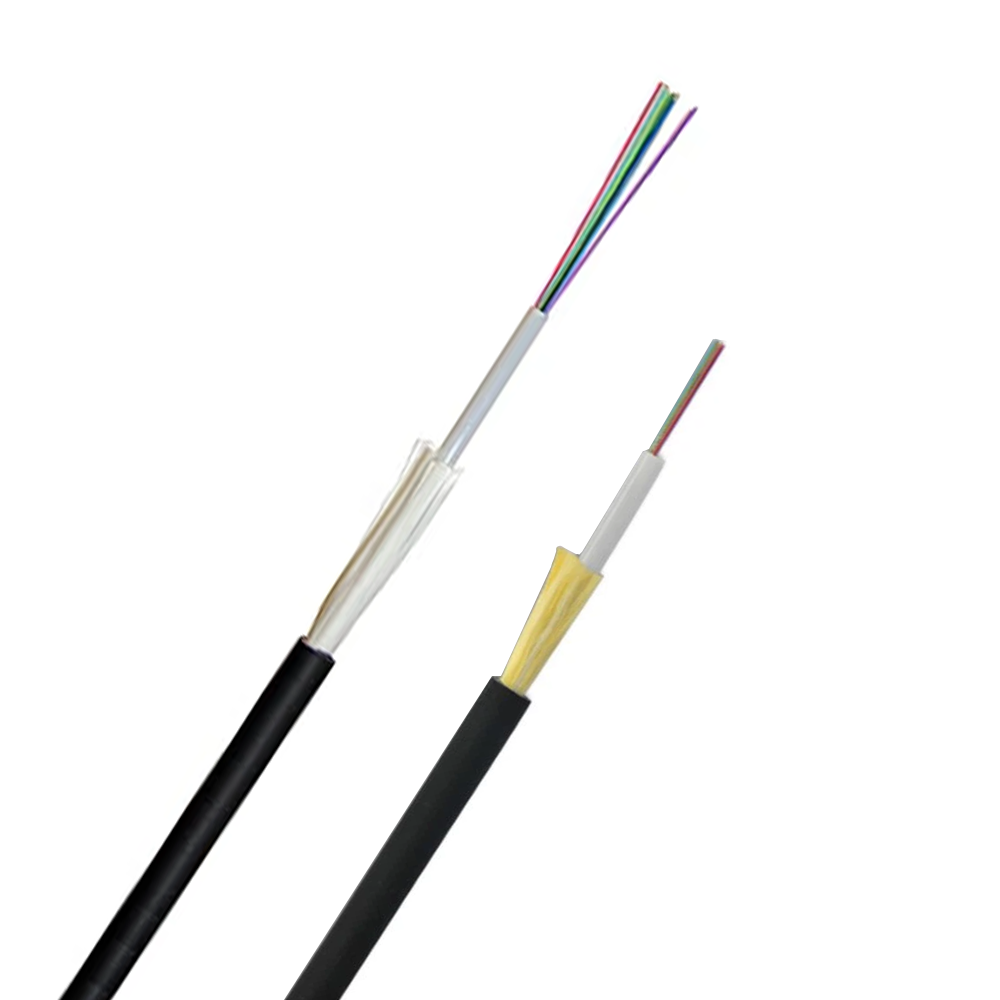
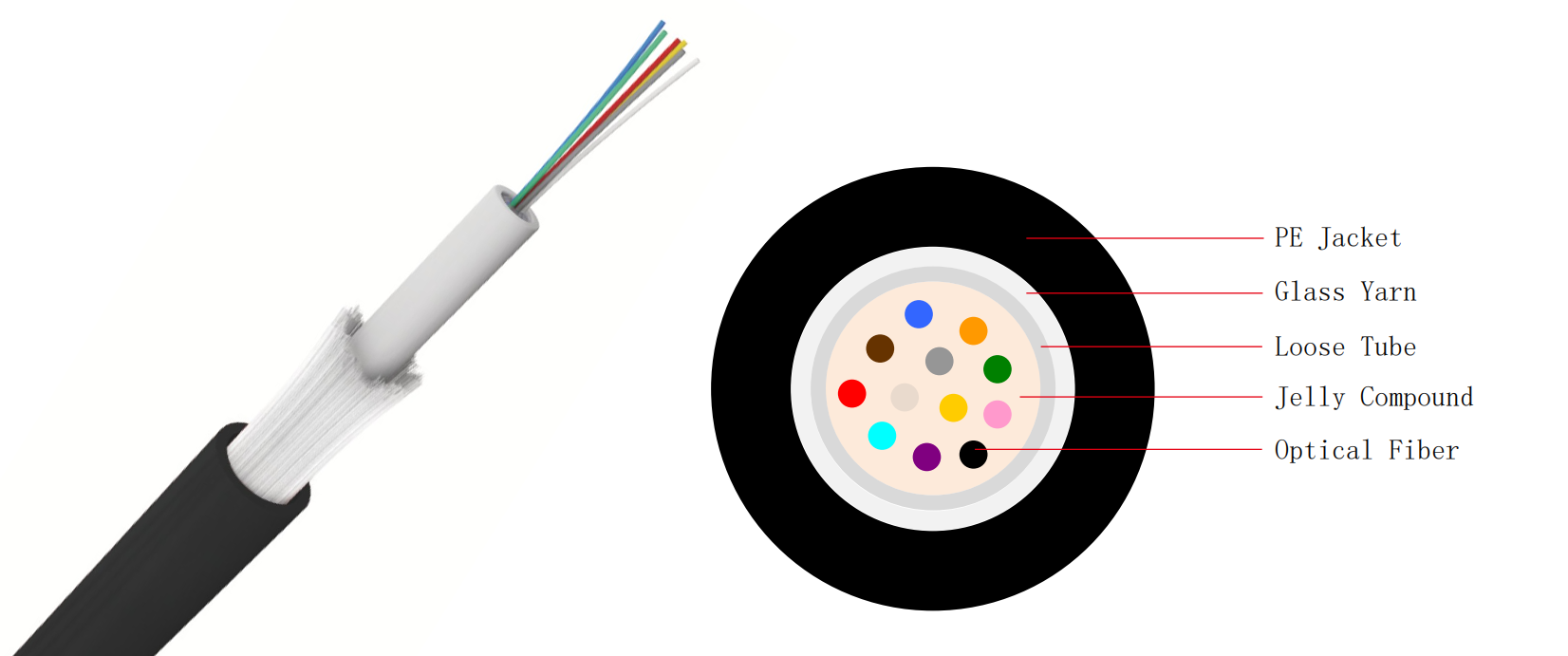
In terms of structure, loose tube 250um fiber drop cable houses 2 to 24 strands of 250um bare fibers within a PBT loose tube. Kevlar yarn is incorporated to improve tensile resistance and jelly gel for protection against water penetration. Glass yarn can be used to provide rodent resistance. The standard sheath is crafted from low-smoke, halogen free, and flame retardant materials. Meanwhile, a PVC-OFNR, PVC-OFNP, TPU jacket are offered as an optional alternative. The smaller diameter with multi-fiber makes handling, storage, and installation much easier, particularly in tight spaces.
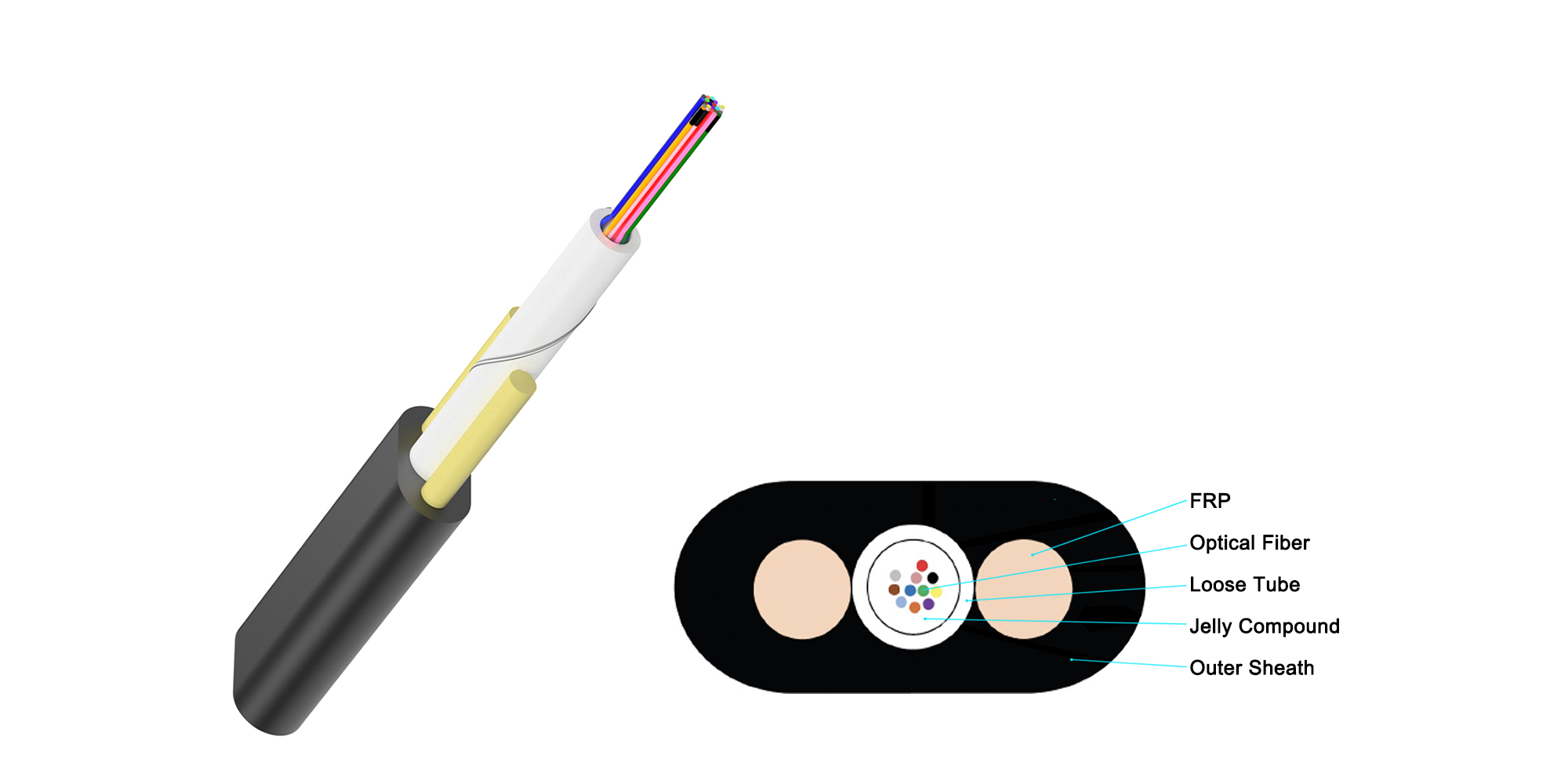
Non-toneable fiber optic drop cable is a standard FTTH flat drop cable that does not include a copper tone wire for cable tracing and location. It typically contains 1-12 fibers inside a central loose tube, with two parallel dielectric FRP strength members for tensile and crush resistance, all encapsulated in a PE or LSZH outer jacket to form a flat structure.
Compared with toneable drop cable, non-toneable fiber optic drop cable has a simpler structure, lower cost, and is mainly used in indoor or short distance outdoor FTTH aerial installations, where cable tracing with a tone generator is not required.
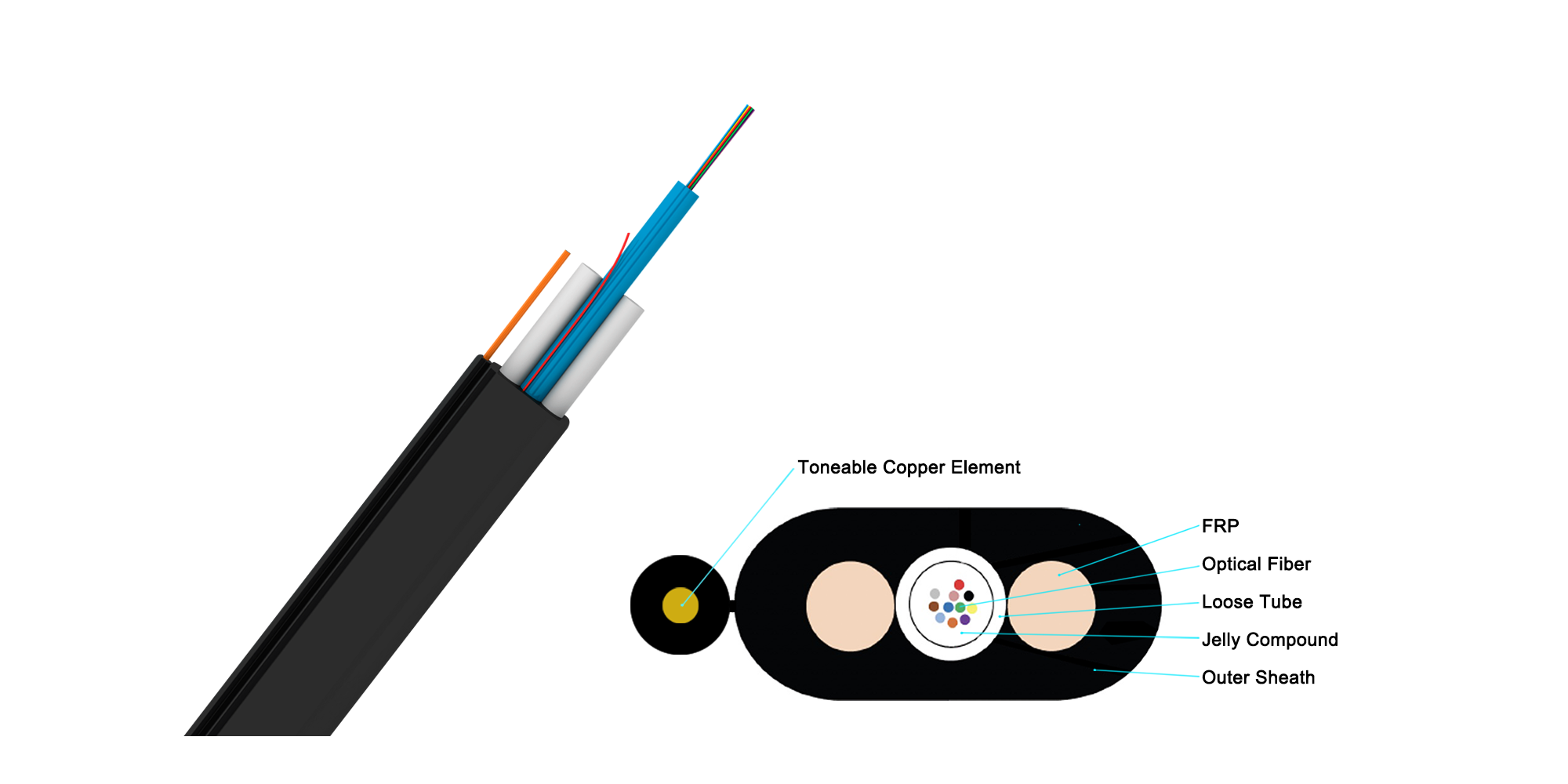
A toneable drop cable contains up to 12 fibers placed in a 2.0 mm gel filled central loose tube to form a flexible, easy to access core (a 3.0 mm buffer tube is used for 24‑fiber cables). Two parallel FRP strength members are positioned opposite on either side of the fiber core, providing excellent crush resistance and tensile strength during installation and throughout the service life of the cable. A copper wire runs along the outer edge of one fiberglass rod to enable cable location. The copper wire, FRP strength members, and fiber unit are then encapsulated in a durable PE jacket, forming a flat cable cross section and providing enhanced protection for the cable core.
Toneable drop cable is a fiber optic cable designed for last mile FTTH applications that includes an embedded copper. This copper conductor allows technicians to use tone generators to trace and locate buried or hidden cables underground. It is ideal for direct burial or duct applications.
Selecting the right fiber optic drop cable hinges on several factors, including installation environment (aerial vs. underground), distance and fiber cores.
When selecting the appropriate fiber optic drop cable, you should first consider the actual installation environment, including indoor, outdoor aerial, duct, or direct buried applications, as this determines the sheath material, structure, and mechanical performance.
For indoor use, flame retardant, flexible, and compact designs are the priority. LSZH, PVC‑OFNR, and OFNP jackets are widely used for safety. Tight buffer 900um fiber optic drop cables and loose tube 250um fiber optic drop cables are compact enough to using for data center cabling, offices, MDUs, and concealed routing along walls or baseboards.
For outdoor use, look for fiber optic drop cables with UV resistance, water blocking, and high tensile strength. Non-tonable fiber optic drop cables are suitable for aerial runs, while tonable fiber optic drop cables are recommended for duct and direct burial applications.
For most FTTH applications, bend insensitive singlemode fibers such as G.657A1 and G.657A2 are strongly recommended due to their excellent bending performance and stable transmission.
Fiber optic drop cables used in data centers to connect servers, where short distance high speed and high bandwidth are required, multimode OM4 fiber optic drop cables are the preferred solution. As a laser-optimized MMF, OM4 supports 10 Gigabit speeds up to 550 meters and 40/100 Gigabit speeds up to 150 meters, with an operating wavelength of 850/1300nm.
1Fiber: Single-fiber drop cable is the most common and economical solution for traditional residential FTTH deployments. Leveraging modern WDM technology, a single fiber strand supports simultaneous data transmission and reception. Single-fiber drop cable features the lowest material cost, is lightweight, and easy to route indoors. It provides sufficient capacity for standard household services including internet, IPTV, and voice, and is widely supported by telecom operators and ODN equipment.
2Fibers: 2cores fiber optic drop cable adds a backup channel without a notable increase in size or installation complexity, making it ideal for users seeking improved stability and long term value.
---Separate uplink and downlink paths for enhanced transmission quality
---Well suited for Small Office Home Office, high bandwidth smart homes, and early preparation for future upgrades such as 10G broadband, dedicated lines, or enterprise-level access.
4Fibers or more: Drop cables with 4fibers or beyond are engineered for multi-user and high density environments where multiple services or users share a single cable route. Typical applications include:
--- Multi-dwelling units (MDUs), apartment buildings, and commercial premises
--- Small cells, micro base stations, and 5G access points
--- Enterprise entry points, campus networks, and multi-user access terminals
--- Buildings requiring integrated data, monitoring, CATV, and dedicated line services
--- Higher fiber counts eliminate the need for repeated cable installation, reduce construction disruption, and support flexible, parallel service expansion.
Air Blowing Micro Fiber Optic Cable
OSP Fiber Cable(Outside Plant Fiber Cable)
Breakout Indoor Fiber Optic Cable
Indoor Armored Fiber Optic Cable

+86-755-21034367