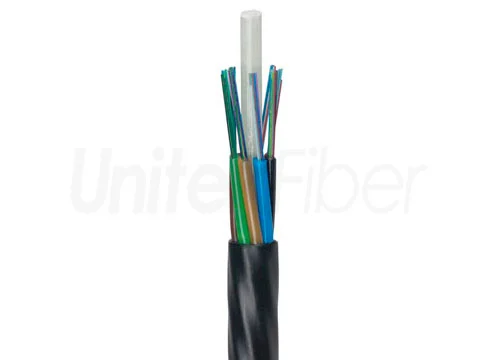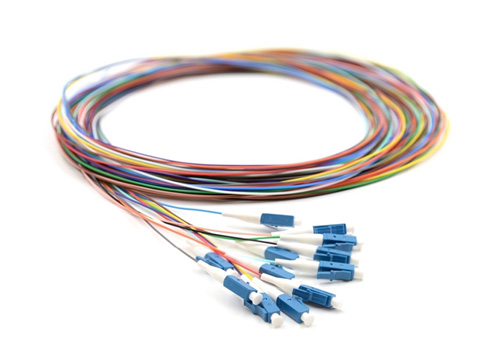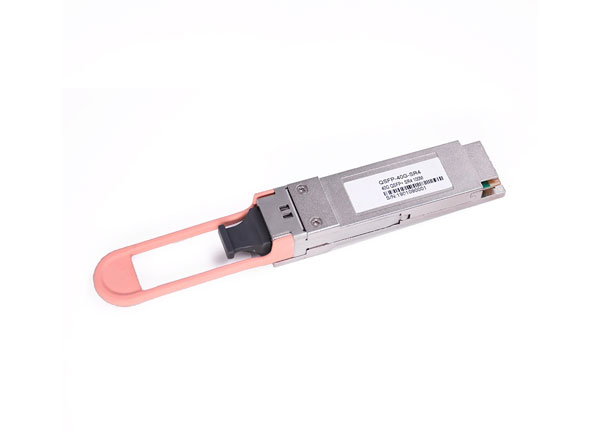

Choosing the correct fiber optic jacket—LSZH, OFNP, or PVC—is essential for regulatory compliance and life safety in modern infrastructure. North American standards prioritize flame spread via the NFPA 70 National Electrical Code (NEC), while international projects focus on toxic gas emission under IEC 60754-2 standards. This guide clarifies technical trade-offs to ensure your network meets fire safety auditors' requirements without compromising attenuation budgets or installation costs.
OFNP (Plenum) cables are mandatory for air-handling spaces in the US, meeting the UL 910 Steiner Tunnel Test requirements.
LSZH (Low Smoke Zero Halogen) is critical for confined spaces like tunnels and data centers where human evacuation is the primary safety priority.
OFNR (Riser) serves vertical shafts between floors, requiring UL 1666 compliance to prevent vertical fire propagation in multi-story buildings.
Cost Variations: Plenum-rated cables typically carry a 30% to 50% price premium over riser-rated alternatives due to specialized fluoropolymer materials.
Global Divergence: North America focuses on fire spread (NFPA), whereas Europe emphasizes smoke toxicity and acid gas emission (CPR/EN 50575).
The National Electrical Code (NEC), published by the National Fire Protection Association (NFPA) as NFPA 70, defines the legal framework for cable safety in the United States. According to the NFPA in their 2023 edition, over 25% of commercial building fires involve electrical distribution or lighting equipment, making cable material choice a critical safety variable. The NEC categorizes fiber cables into Nonconductive (OFN) and Conductive (OFC) types, further subdivided by fire-resistant properties like Plenum and Riser.
International standards diverge by focusing on the chemical composition of the jacket rather than just fire propagation. The International Electrotechnical Commission (IEC) 60332-3-24 standard measures flame spread on vertically-mounted bunched wires. Meanwhile, IEC 60754-1/2 specifically tests for the presence of halogens, such as fluorine, chlorine, and bromine. These chemicals, when burned, create hydrogen chloride gas, which turns into hydrochloric acid upon contact with moisture in human lungs.
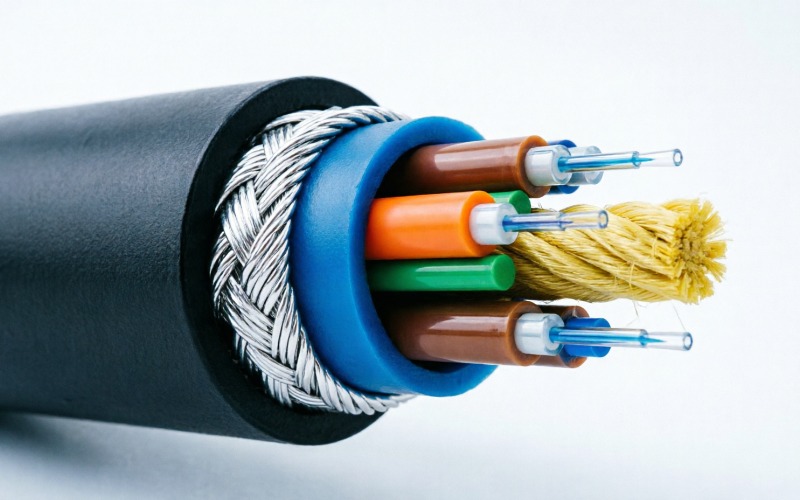
A specific data point provided by the Underwriters Laboratories (UL) suggests that plenum-rated materials must limit flame spread to under 5 feet (1.5 meters) during the Steiner Tunnel Test. This ensures that in the event of a fire, the cable does not act as a fuse, carrying flames through the HVAC ductwork. For B2B procurement, understanding these regional testing differences is the first step in avoiding project delays during final fire safety inspections.
OFNP stands for Optical Fiber Nonconductive Plenum. This rating represents the highest fire-resistance level defined by the NEC. Plenum spaces are the areas between a structural ceiling and a drop ceiling, or under a raised floor, used for air circulation. Because these spaces are filled with oxygen, they are high-risk zones for rapid fire spread across an entire building footprint.
The jacket of an OFNP cable is typically constructed from Fluorinated Ethylene Propylene (FEP) or specialized Polyvinyl Chloride (PVC) compounds. According to a 2024 study by the Plastics Industry Association, FEP exhibits exceptional thermal stability with a melting point exceeding 260°C (500°F). This material allows the cable to self-extinguish and emit very little smoke, ensuring that visibility remains high for occupants attempting to escape a burning building.
Procurement teams should note that OFNP cables can replace OFNR (Riser) and OFNG (General Purpose) cables in any installation. However, the reverse is strictly prohibited by building codes. Data center architects often specify OFNP for all indoor runs to simplify inventory management and ensure universal compliance across multiple jurisdictions. The increased initial investment is offset by the reduction in liability and the elimination of the need for internal fire breaks.
LSZH stands for Low Smoke Zero Halogen. While OFNP focuses on flame spread, LSZH focuses on human survivability in enclosed environments. Halogens are highly reactive elements that, when ignited, produce toxic, corrosive smoke. In a 2022 report by the National Institute of Standards and Technology (NIST), it was found that smoke inhalation is responsible for approximately 80% of fire-related deaths in confined transport systems.
LSZH jackets are made from thermoplastic or thermoset compounds that emit limited smoke and no halogenated gases. According to IEC 61034-2, LSZH cables must maintain a light transmittance of at least 60% during a controlled fire test. This ensures that emergency lighting remains effective and exit signs remain visible to occupants. These cables are standard in European markets and are increasingly required in US transit systems like subways and airports.
One technical challenge with LSZH is its mechanical rigidity. LSZH jackets are often stiffer than PVC, leading to a 15% to 20% increase in the minimum bend radius. Field engineers must account for this when designing high-density fiber management systems to avoid macro-bend losses. At Unitekfiber, we utilize advanced LSZH formulations that balance fire safety with the flexibility required for tight cabinet routing in modern telecommunication rooms.
OFNR (Optical Fiber Nonconductive Riser) is designed for vertical shafts that connect different floors of a building. The primary risk in these areas is the "chimney effect," where a fire on a lower floor can rapidly travel upward through cable penetrations. To prevent this, OFNR cables must pass the UL 1666 test, which measures the height of flame propagation on cables in a vertical shaft.
General-purpose PVC (Polyvinyl Chloride) cables, often labeled as OFNG or OFN, are suitable for horizontal runs within a single floor that are not plenum-rated. Standard PVC contains chlorine, a halogen that provides natural flame retardancy but produces thick, black smoke when burned. According to industry data, PVC cables are roughly 25% cheaper than LSZH counterparts, making them the preferred choice for budget-sensitive office fit-outs where local codes allow.
It is a common mistake for estimators to use OFNR for horizontal plenum runs to save costs. If an inspector identifies OFNR in a plenum space, the entire cable run must be replaced, often at 5x the original labor cost. According to the Building Industry Consulting Service International (BICSI), rework due to non-compliant cabling is a leading cause of project budget overruns in ICT infrastructure.
| Feature | OFNP (Plenum) | OFNR (Riser) | LSZH (Low Smoke) | PVC (General) |
|---|---|---|---|---|
| Fire Standard | UL 910 / NFPA 262 | UL 1666 | IEC 60332 / 61034 | UL 1581 |
| Halogen Content | High (Fluorine) | Medium (Chlorine) | Zero (0%) | Medium (Chlorine) |
| Smoke Density | Very Low | Moderate | Extremely Low | High |
| Flame Spread | Self-extinguishing | Limited Vertical | Low to Moderate | Moderate |
| Cost Index | 1.5x | 1.1x | 1.3x | 1.0x |
| Primary Use | Air Ducts / HVAC | Floor-to-floor | Subways / Ships | Patch Leads |
The question of whether OFNP is better than LSZH depends entirely on the priority of the safety audit. In terms of flame spread and heat resistance, OFNP is superior. However, in terms of toxicity and corrosivity, LSZH is the clear winner. According to the Occupational Safety and Health Administration (OSHA), acid gases from burning PVC or FEP can damage sensitive electronic equipment and server hardware, even if the fire is contained.
For data center architects, the decision is often driven by the cooling architecture. In a data center using a raised floor plenum for cold air delivery, OFNP is legally required in North America. In contrast, many hyperscale facilities in Europe utilize LSZH to protect their staff and prevent the acidification of expensive server components. A 2023 survey of ICT integrators showed that 45% of new data center builds now specify LSZH-Plenum hybrid cables to meet both sets of requirements.
Environmental durability also varies between these types. FEP-based plenum jackets offer better resistance to UV radiation and chemical exposure compared to early-generation LSZH materials. However, modern LSZH compounds have improved significantly, with many now meeting the moisture resistance standards required for indoor/outdoor use. Always verify the Shore D hardness and tensile strength in the manufacturer's data sheet to ensure the cable suits your specific installation environment.
Beyond fire safety, the chemical composition of fiber jackets affects long-term reliability. OFNP cables, due to their fluoropolymer content, are virtually inert to most chemicals and oils. According to research by the Society of Cable Telecommunications Engineers (SCTE), FEP-jacketed cables maintain their structural integrity for over 25 years in harsh industrial environments. This makes them ideal for manufacturing plants where chemical fumes might be present.
LSZH cables, however, can be susceptible to "jacket cracking" if exposed to high humidity and temperature cycles over extended periods. This phenomenon, known as environmental stress cracking, has been mitigated in Unitekfiber’s latest product line through the use of cross-linked materials. According to ASTM D1693 standards, our cables undergo 1,000 hours of stress testing to ensure they remain pliable and crack-free in diverse climates.
Weight is another factor often overlooked by procurement officers. OFNP cables are generally 10% lighter than LSZH cables of the same fiber count. In large-scale deployments involving thousands of kilometers of fiber, this weight difference can significantly impact the loading calculations for cable trays and suspension systems. Reducing the load on overhead trays by 10% can prevent structural sagging and reduce the frequency of required support brackets, further lowering the total cost of ownership (TCO).
When drafting a Request for Proposal (RFP) for fiber optic infrastructure, specificity is paramount. Instead of requesting "fire-rated cable," procurement managers should specify the exact NEC or IEC rating required. According to a 2025 procurement trend report, 62% of supply chain errors in the telecom sector stem from ambiguous material specifications. Ensuring your technical documentation cites UL 910 or EN 50575 prevents the delivery of non-compliant materials.
Lead times also vary significantly between jacket types. While PVC and OFNR are usually stock items, high-fiber-count LSZH or custom-color OFNP may have lead times of 6 to 8 weeks. Unitekfiber maintains a strategic reserve of raw FEP and LSZH compounds to reduce these lead times by 40% compared to industry averages. Planning for these lead times during the design phase ensures that the fiber installation does not become a bottleneck for the overall construction schedule.
Finally, consider the total lifecycle cost. While OFNP has a higher initial purchase price, its ability to be used in any indoor environment reduces the risk of non-compliance and simplifies future upgrades. According to Gartner, the cost of a data center outage can exceed $5,600 per minute. Investing in the highest-grade fire-rated cabling is a cheap insurance policy against the catastrophic financial and reputational damage caused by a facility fire.
In most North American jurisdictions, the answer is no. Standard LSZH cables do not meet the UL 910 smoke and flame requirements necessary for plenum spaces. Unless the cable is specifically dual-rated as OFNP/LSZH, it should not be installed in air-handling ducts. Always consult with your local AHJ (Authority Having Jurisdiction) before proceeding with an installation that deviates from the NEC.
While OFNP cables are designed to emit very little smoke, they do contain fluorine. When burned at extremely high temperatures, they can release small amounts of toxic gases. However, the primary design goal of OFNP is to prevent the fire from spreading and to maintain visibility, which are the most critical factors for evacuation in large commercial buildings. For total toxicity elimination, LSZH is the preferred choice.
Generally, OFNP cables are 30% to 50% more expensive than OFNR cables. This price gap is driven by the cost of the raw materials, specifically the fluoropolymers required for plenum-grade jackets. For a 144-fiber trunk cable, this can translate to a difference of several dollars per meter, which adds up quickly in large data center projects.
Selecting the right fiber jacket is a balance of regulatory compliance, human safety, and budget management. For projects in North America, OFNP is the default choice for air-handling spaces, while OFNR is suitable for vertical shafts. Internationally, LSZH is the standard for protecting lives in high-occupancy environments. By understanding these technical specifications, procurement officers can ensure their networks are safe, compliant, and future-proof.
 5G 6G Fronthaul & Backhaul
View More
5G 6G Fronthaul & Backhaul
View More
 Data Center & Cloud Interconnect
View More
Data Center & Cloud Interconnect
View More
 Enterprise & Industrial Optical
View More
Enterprise & Industrial Optical
View More
 FTTx & Access Solutions
View More
FTTx & Access Solutions
View More
 Metro & Access Networks
View More
Metro & Access Networks
View More
 Optical Cabling Systems
View More
Optical Cabling Systems
View More
 Optical Transceivers & Interconnect
View More
Optical Transceivers & Interconnect
View More
 WDM & High-Capacity Transmission
View More
WDM & High-Capacity Transmission
View More
+86-755-21034367