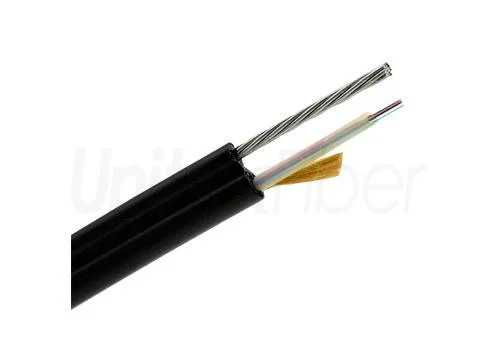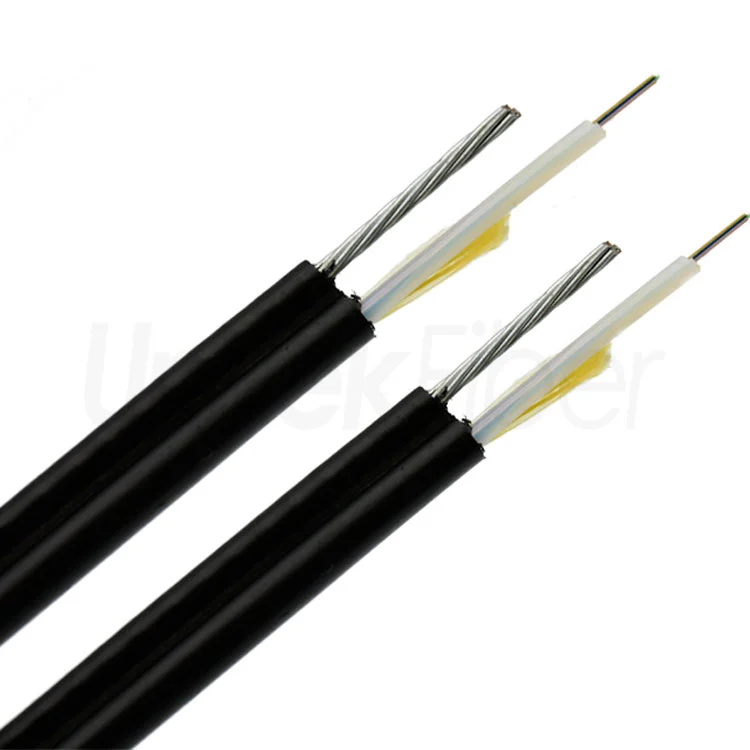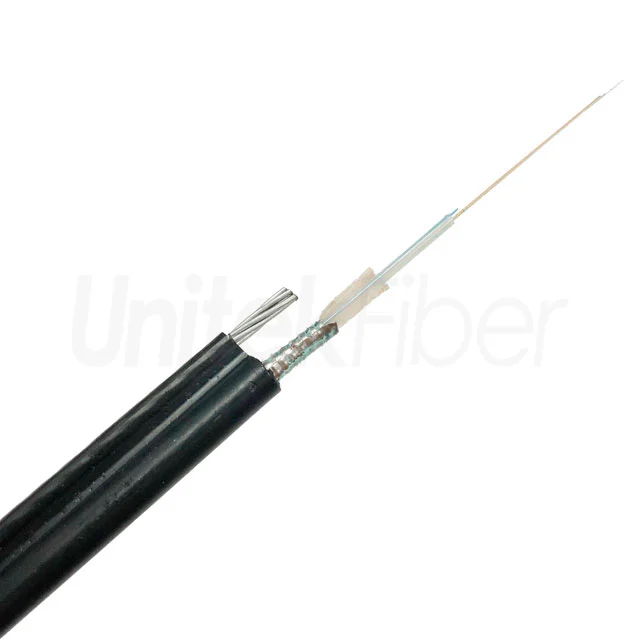
In vertical spaces such as high-rise buildings and data centers, Fiber Optical Cables not only bear the heavy responsibility of high-speed data transmission, but also need to act as invisible firewalls in the event of a fire, preventing the spread of fire through the cabling channels. OFNR Fiber Optical Cables are a professional solution designed for this scenario. Its full name is Optical Fiber Nonconductive Riser, and it is a flame-retardant optical cable that complies with the US UL certification system.
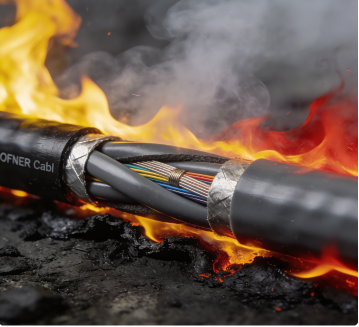
The core advantage of OFNR optical cables lies in their stringent fire resistance testing standards. According to the UL1651 standard, OFNR optical cables must self-extinguish within a 5-meter radius when flames spread under forced ventilation conditions. This characteristic makes them ideal for enclosed spaces such as vertical corridors, elevator shafts, and pipe rooms. For example, an internet company suffered direct losses exceeding 2 million USD due to a data center fire caused by the use of ordinary optical cables; after switching to OFNR optical cables, this risk was significantly reduced.
OFNR fiber optical cables typically use PVC or LSZH (Low Smoke Halogen-Free) materials as their sheaths. LSZH materials do not release toxic halogen gases when burned, producing only a small amount of white smoke, and the smoke concentration is lower than that of ordinary PVC materials. This characteristic is especially important in densely populated areas—80% of fire deaths are caused by inhalation of toxic fumes, and OFNR fiber optical cables can significantly reduce this risk.
OFNR optic cables have a wide range of applications due to their specific fire resistance and structural characteristics. The following analysis examines their core application areas from different perspectives:
High-rise buildings: OFNR fiber optic cables are standard equipment in vertical corridors of high-rise buildings (such as elevator shafts and pipe rooms). Their fire resistance meets UL1651 standards; under forced ventilation conditions, flames can self-extinguish within 5 meters, effectively preventing the spread of fire through the "chimney effect" in vertical corridors.
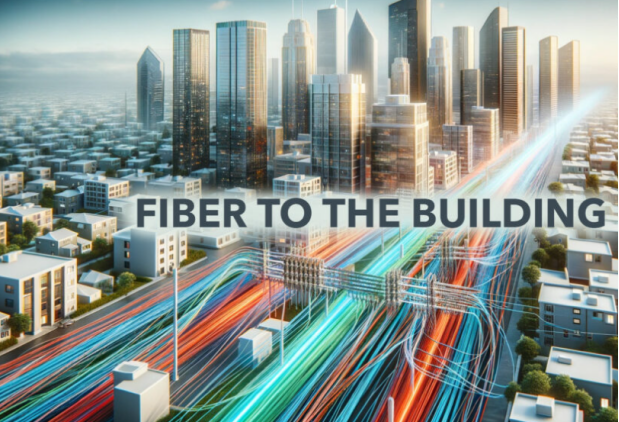
Commercial Complexes: In large commercial buildings such as shopping malls and office buildings, OFNR optic cables are used for vertical trunk cabling to connect equipment such as switches and routers on different floors. Its low-smoke halogen-free (LSZH) sheath material produces only a small amount of white smoke when burned, and contains no toxic or corrosive gases, meeting the fire safety requirements of densely populated areas.
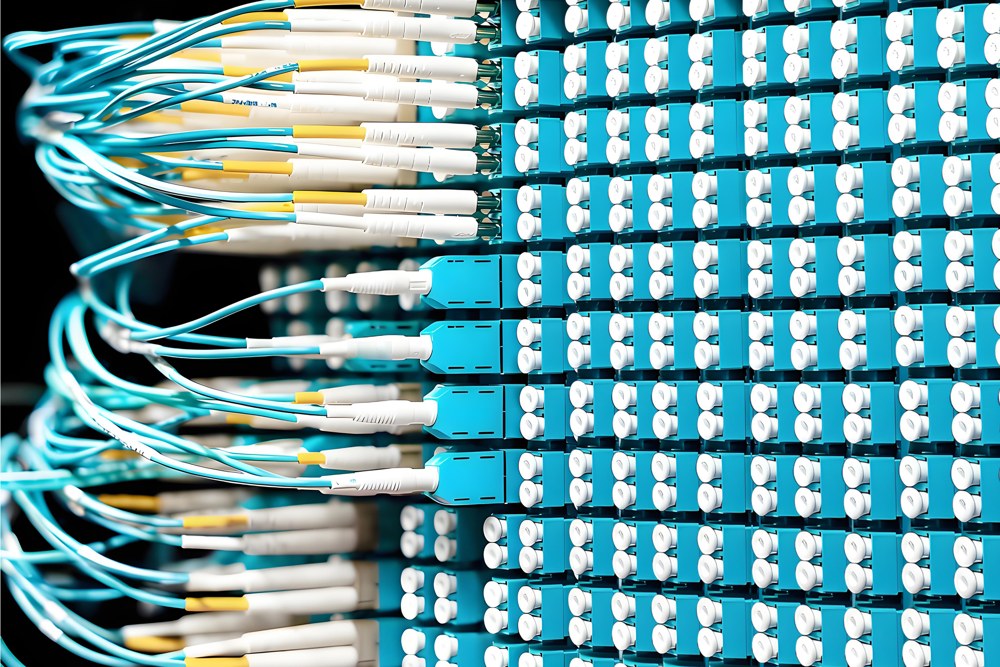
Server rack interconnection: Within the data center, OFNR fiber optic cables handle high-speed data transmission between server racks. Their flame-retardant properties prevent localized overheating from triggering a chain reaction of fires, while also supporting high-density cabling requirements. For example, after upgrading to OFNR fiber optic cables, a cloud computing data center reduced its fire risk level from "high risk" to "controllable risk" while maintaining the original budget.
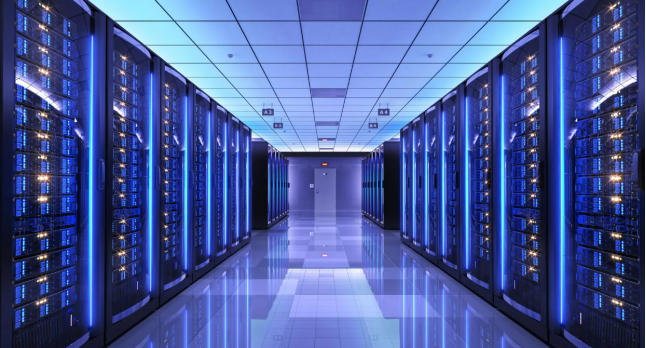
Disaster Recovery Systems: In disaster recovery data centers in industries such as finance and healthcare, OFNR optical cables serve as critical communication links, requiring 72-hour uninterrupted operation. Their anti-aging and UV-resistant properties ensure long-term stable operation in extreme environments, reducing maintenance costs.
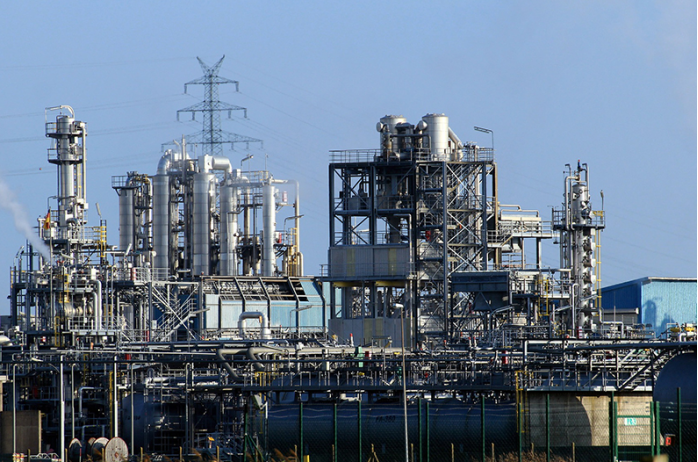
Chemical Industrial Parks: OFNR fiber optical cables combined with armored structures can resist mechanical damage and chemical corrosion, making them suitable for flammable environments such as chemical industrial parks. Their fire-resistant properties prevent fires from spreading to adjacent equipment through the cabling channels, reducing the risk of cascading accidents.
Attenuation coefficient: Single-mode fiber cable attenuation should be ≤0.35dB/km, and multimode fiber optic cable attenuation ≤3.5dB/km, ensuring stability over long distances.
Bending radius: The minimum bending radius must be ≥10 times the cable diameter to avoid construction damage.
Temperature range: The operating temperature is typically -40℃ to +70℃, adapting to extreme environments.
OFNR optical cables, with their fire-resistant, flame-retardant, and anti-aging properties, have become the preferred solution for building vertical cabling, data centers, and industrial environments. When selecting an OFNR fiber cable, it is essential to consider the specific needs of the application scenario, budget, and local fire safety regulations to ensure a balance between safety and performance.We are so glad to support you and to establish a business cooperation with you. Please contact us at Email sales@unitekfiber.com if you have any inquiry or need any Central Loose Tube Fiber Optic Cable,LSZH fiber optical cable stock.
 5G 6G Fronthaul & Backhaul
View More
5G 6G Fronthaul & Backhaul
View More
 Data Center & Cloud Interconnect
View More
Data Center & Cloud Interconnect
View More
 Enterprise & Industrial Optical
View More
Enterprise & Industrial Optical
View More
 FTTx & Access Solutions
View More
FTTx & Access Solutions
View More
 Metro & Access Networks
View More
Metro & Access Networks
View More
 Optical Cabling Systems
View More
Optical Cabling Systems
View More
 Optical Transceivers & Interconnect
View More
Optical Transceivers & Interconnect
View More
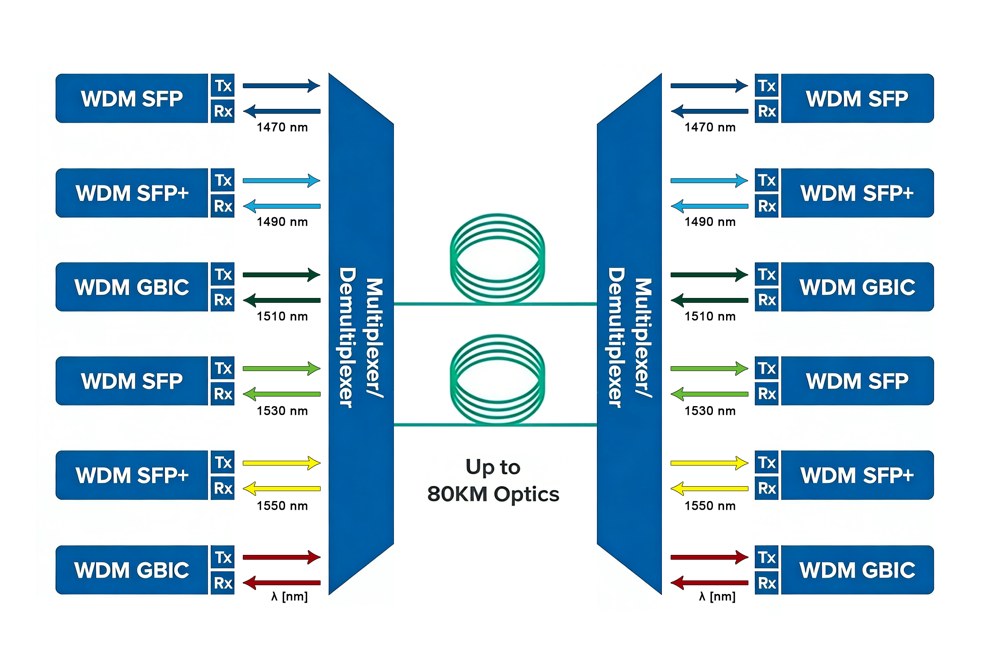 WDM & High-Capacity Transmission
View More
WDM & High-Capacity Transmission
View More
+86-755-21034367