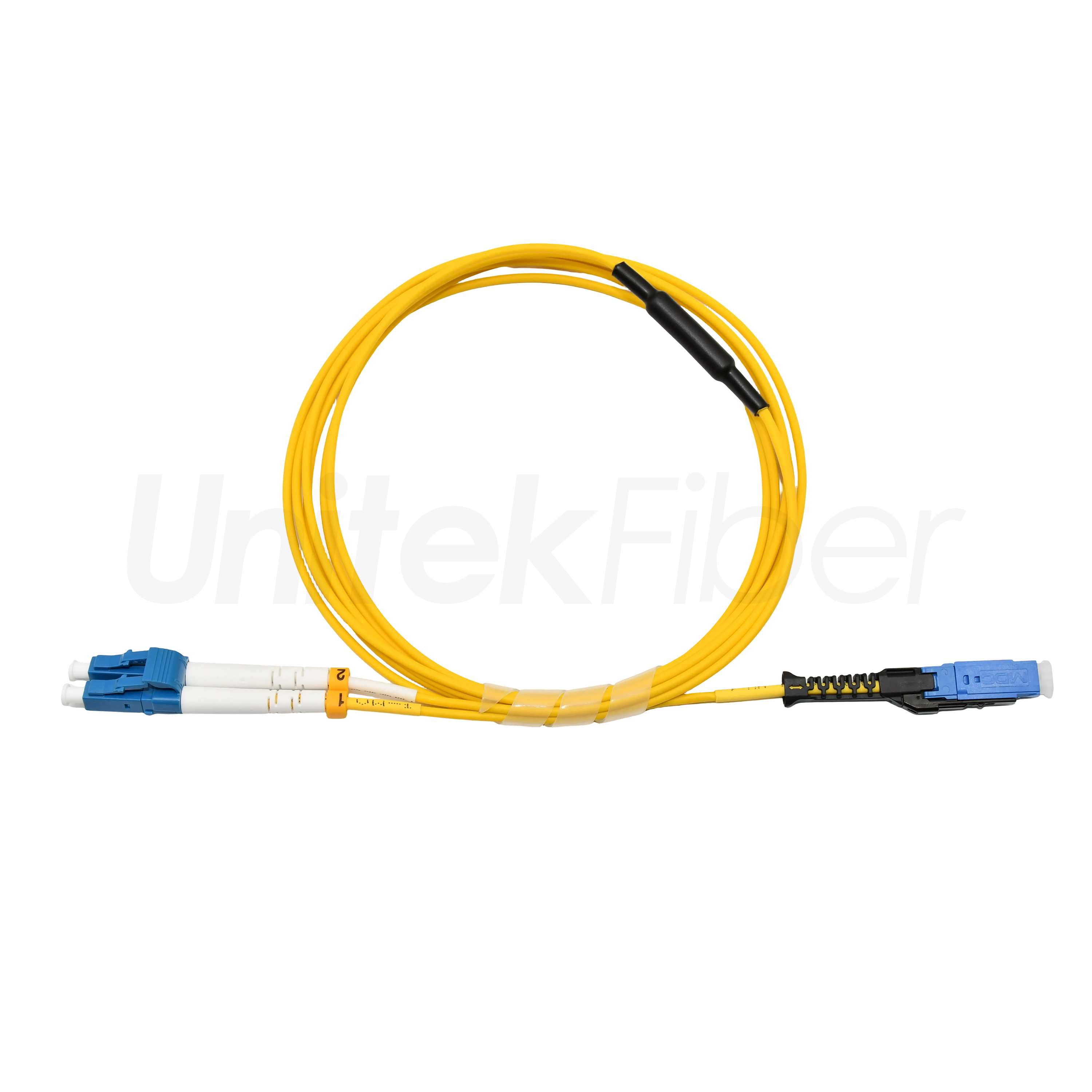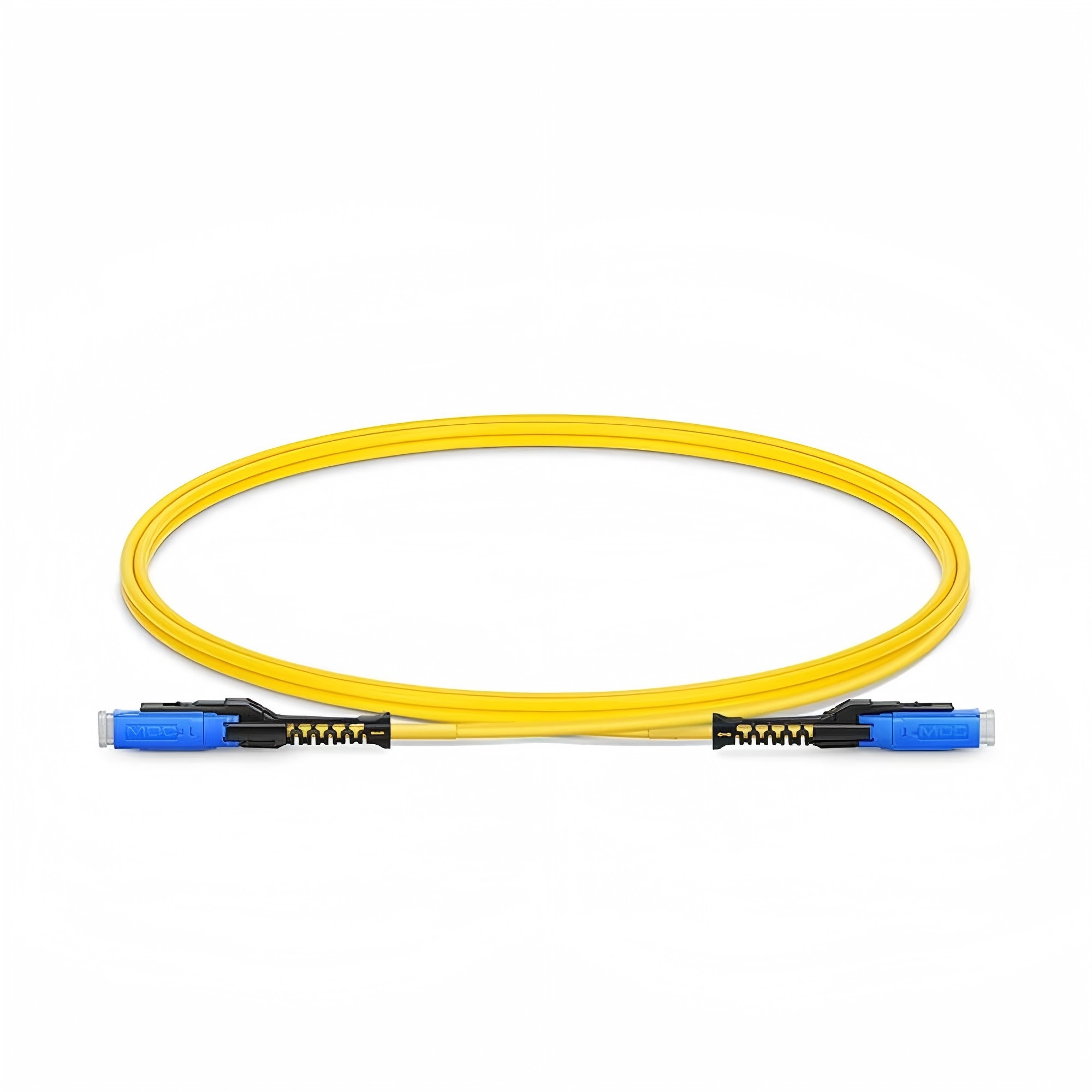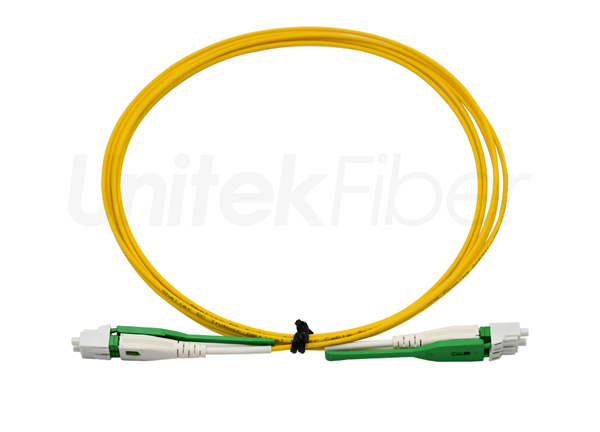

As networks continue to evolve from 400G to 800G, 1.6T, and even 3.2T, the demands on link stability and transmission consistency within ultra high speed data centers continue to increase. Compared to widely discussed components such as optical transceiver and switches, singlemode fiber patch cord is a critical elements in signal transmission. Their loss performance, bend resistance, and connection consistency directly affect the overall performance and reliability of high speed links. As a result, selecting high performance singlemode fiber optic patch cord has become a fundamental requirement for ensuring the stable operation of ultra high speed networks.
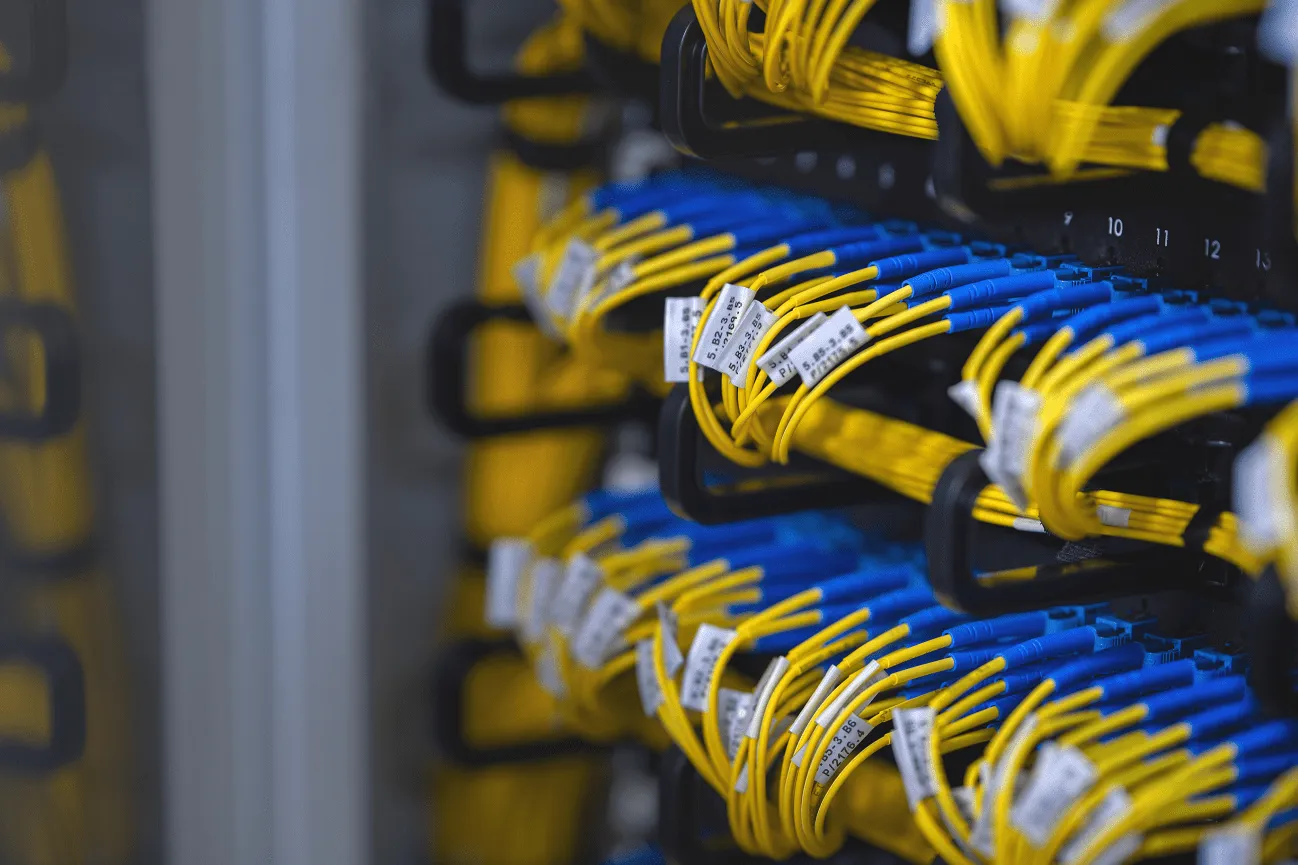
In data center cabling solution, singlemode fiber optic patch cord can present several common challenges as below:
Low quality or unstable fiber optic patch cord can cause link loss values to fluctuate around the power budget threshold. This makes network debugging far more complex and time consuming, significantly increasing troubleshooting efforts and maintenance costs.
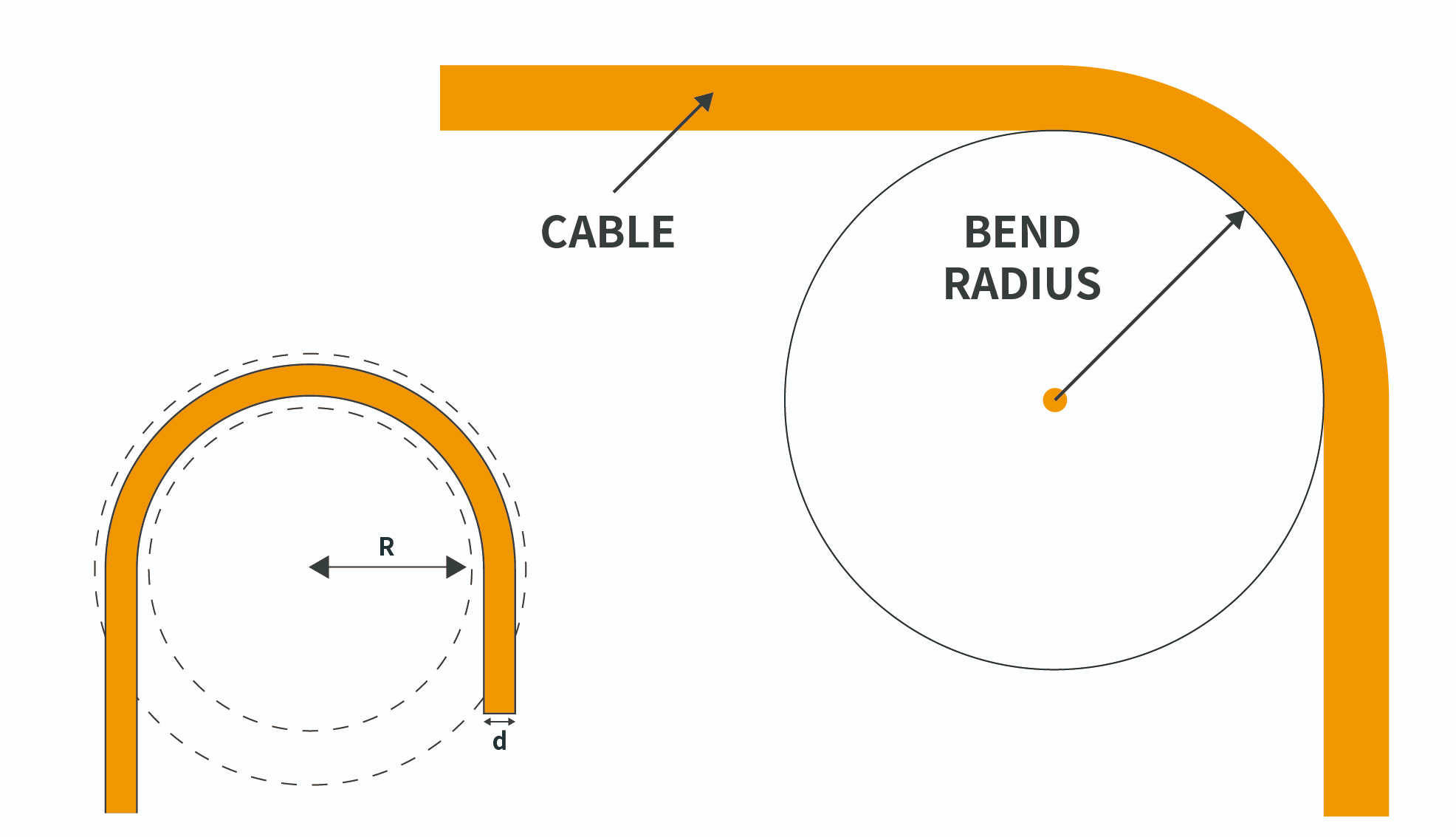
In the confined space of server racks, fiber optic patch cord often need to be bent during installation. Even minor bends in standard fiber optic patch cord can introduce significant macrobending loss. Because this degradation is difficult to detect visually during routine maintenance, it can become a hidden source of network faults.
Fiber optic patch cord manufactured in different production batches may exhibit slight variations in parameters such as ferrule end-face geometry and concentrically. In ultra high speed networks, the cumulative impact of these inconsistencies can seriously affect link stability, consistency, and overall reliability.
In environments that require frequent equipment maintenance or expansion, fiber optic patch cords with limited connector durability and poor repeatability are more susceptible to end-face contamination and physical wear. Over time, this can lead to increased signal reflection, attenuation, and degraded network performance.
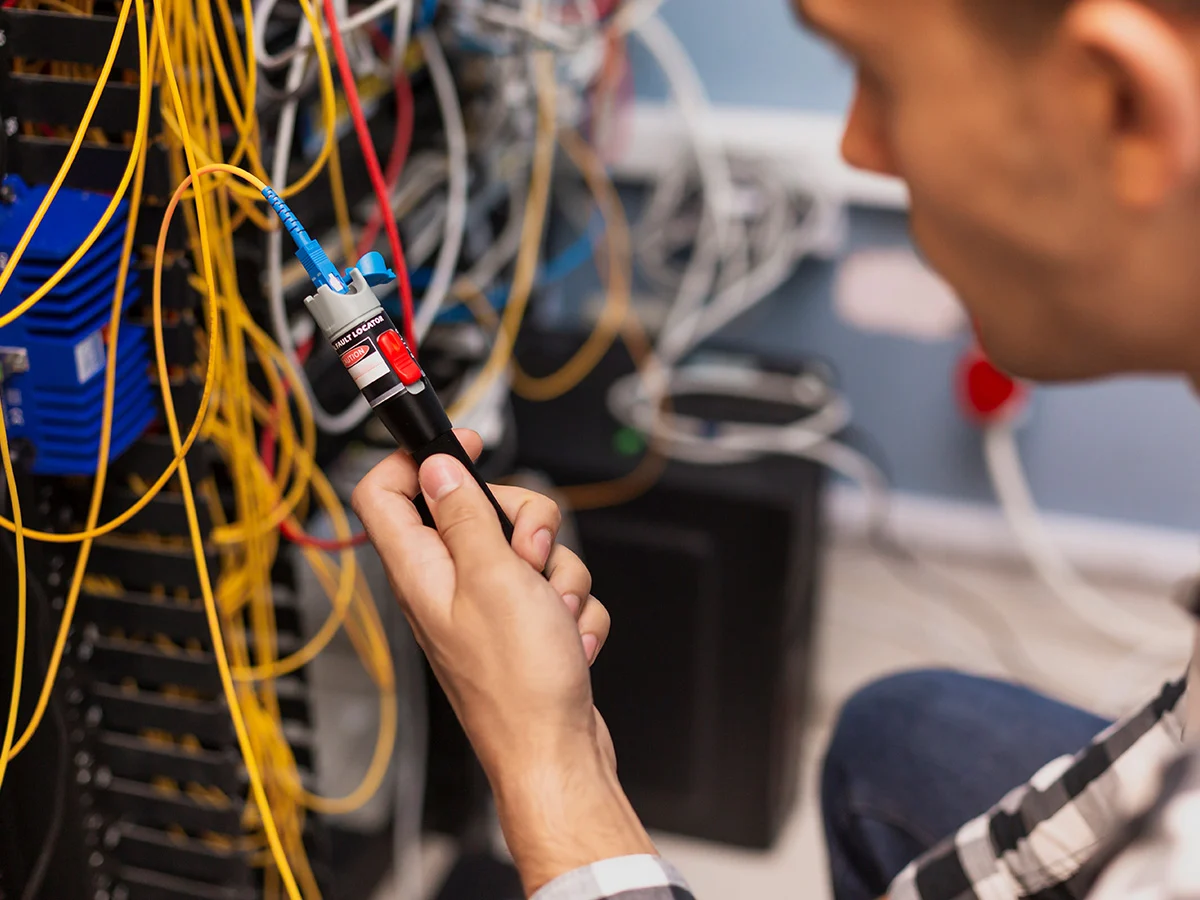
To address the challenges outlined above, singlemode fiber optic patch cord must meet higher standards in both design and manufacturing to ensure stable performance in high speed network environments. Below are the key points you should consider:
Through precision polishing techniques and strict quality control, each fiber patch cord is engineered to deliver low insertion loss and high return loss. This provides greater margin within the link budget and reduces the complexity of network commissioning and troubleshooting.
By utilizing bend insensitive fiber compliant with standards such as G657A1 or G657A2 fiber, fiber optic patch cords maintain extremely low signal attenuation even under tight bend. This makes them ideal for the high density rack environments commonly found in modern data centers.
Stable network links help reduce data re-transmissions and lower overall system power consumption, indirectly supporting data center energy-efficiency goals. In addition, clear labeling and streamlined cabling designs, such as Uniboot fiber optic patchcord, improve the efficiency of daily operations and maintenance. UnitekFiber is offering all kind of Uniboot fiber optic patchcord, such as Uniboot LC fiber patch cord, MDC cable, SN fiber patch cord and CS fiber patch cord. Meanwhile, MPO/MTP cable is a good choice for high density data center.
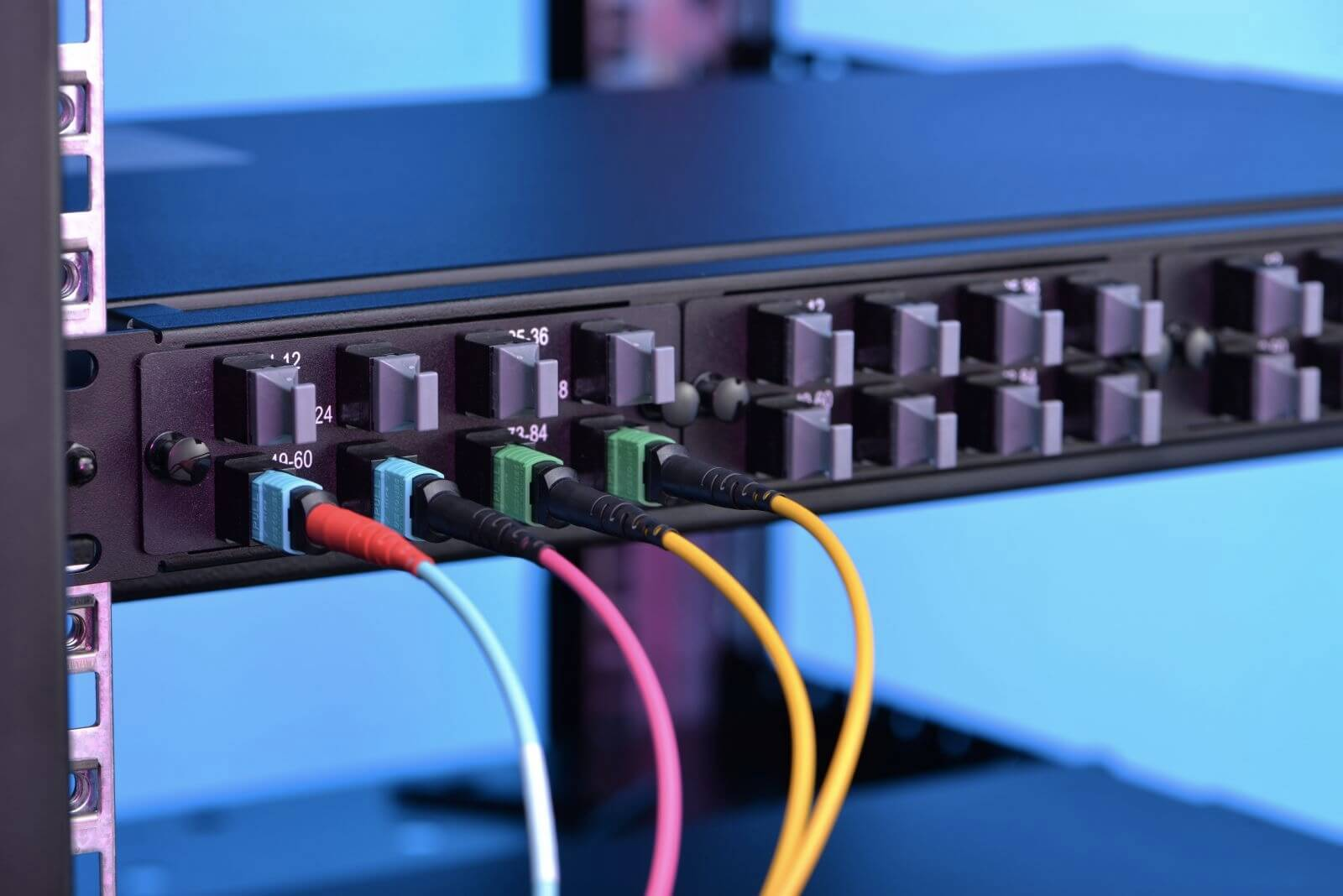
Equipped with high precision ceramic ferrules and durable mechanical structures, the connectors of fiber optic patchcord can withstand thousands of mating cycles without significant performance degradation. This greatly extends the operational lifespan of the patch cords in dynamic network environments.
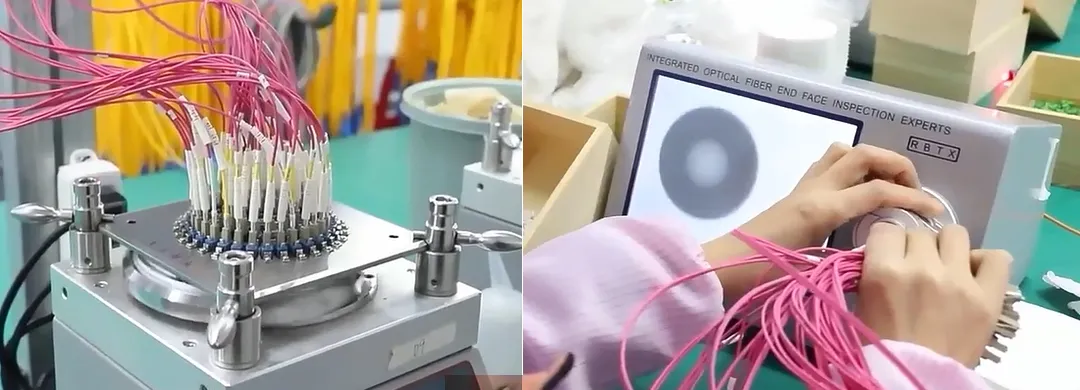
Before shipment, every fiber optic patch cord from UnitekFiber will undergo rigorous testing, including insertion loss, return loss, and 3D interferometer analysis to measure parameters such as end-face radius of curvature, apex offset, and fiber height. Comprehensive test reports are provided to ensure consistent performance across every delivered product.
When selecting fiber optic patch cord for 800G, 1.6T, or even higher speed in future networks, it is recommended to prioritize the following key aspects:
It is essential to verify that the Insertion Loss (IL) and Return Loss (RL) of the fiber optic patch cords meet the requirements stipulated by IEEE standards and the corresponding optical transceiver interfaces. For higher speed networks, where link budgets are particularly sensitive, it is advisable to select fiber optic patchcord characterized by low loss and high stability.
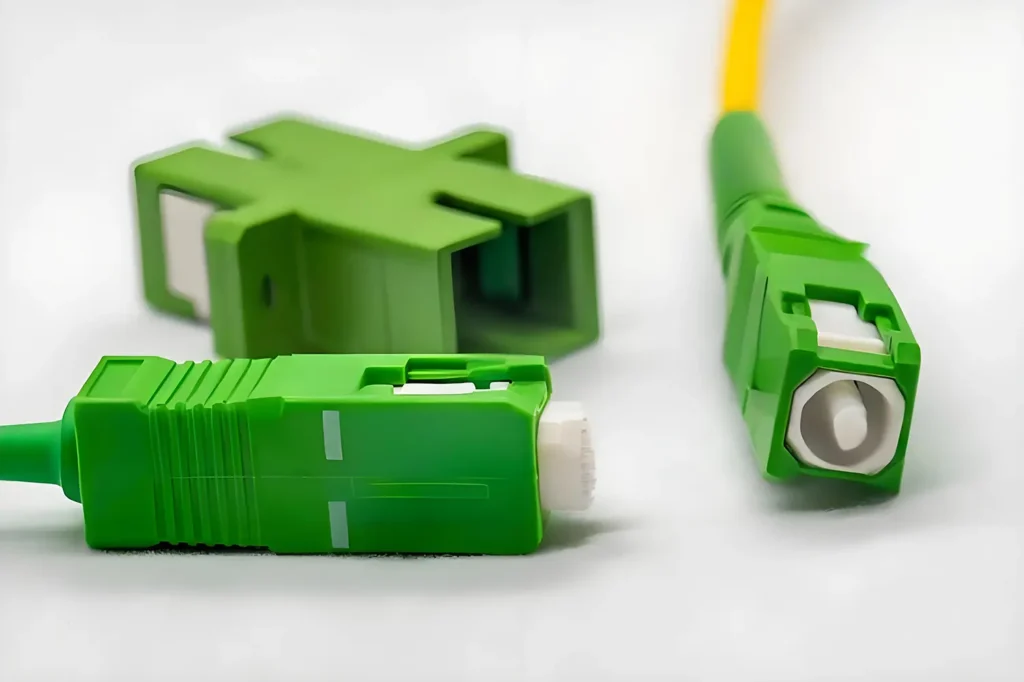
For example, by utilizing imported ceramic ferrules and precision polishing techniques, UnitekFiber’s LC/SC fiber optic patch cord achieves a typical insertion loss as low as ≤0.30 dB, with a return loss reaching ≥50 dB (for UPC connectors) or ≥60 dB (for APC connectors). And for MPO/MTP cable, UnitekFiber offer elite low loss MPO/MTP fiber connector to reach lower insertion loss.
This helps alleviate the complexities associated with link commissioning and establishes a more stable physical layer foundation for high-speed data transmission.
In high density cabling, fiber optic patch cords frequently need to navigate through confined spaces or complex routing paths, so bend performance directly impacts both deployment flexibility and long term stability. When selecting fiber cables, it is recommended to prioritize the fiber type, like G.657.A1, G.657.A2, or fibers with even higher bend sensitive.
UnitekFiber OS2 fiber patch cords utilize bend insensitive fiber compliant with the G657A1 or G657A2 standard. These fiber patch cords maintain low signal attenuation even under tight bend radius conditions, making them ideally suited for the high density cabling environments found in modern data centers.
Fiber connector quality directly impacts the long term performance of a link. High precision ceramic ferrules, consistent polishing quality, and robust mechanical structural design are all critical factors in ensuring long term reliability.
UnitekFiber's OS2 fiber optic patch cord features high precision ceramic ferrules and a reinforced boot design, thereby meeting the operational demands of scenarios involving frequent maintenance and network expansion.
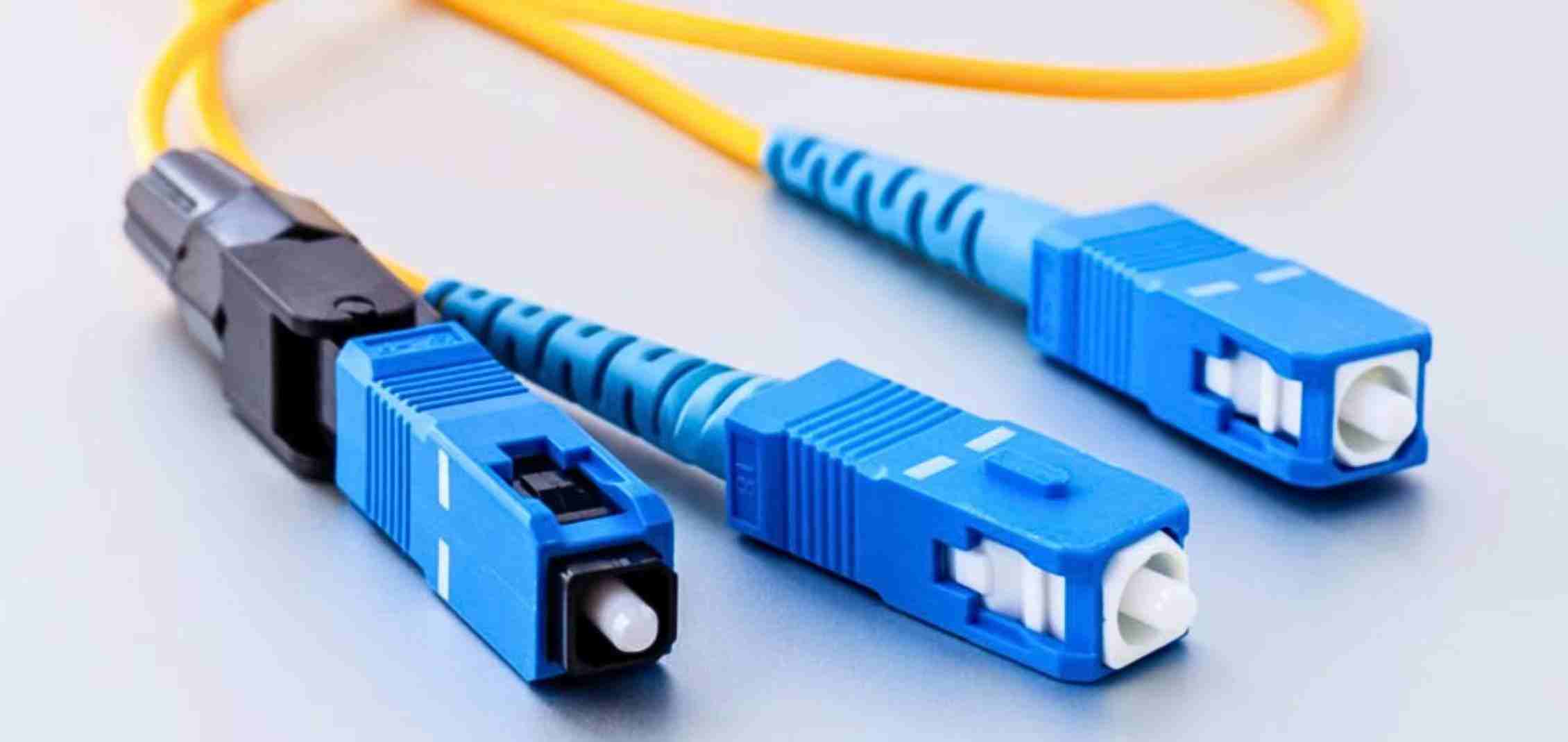
Whether a supplier offer 100% factory testing before shipment, and whether they implement quality control measures in strict accordance with international standards, constitutes a critical dimension for evaluation.
UnitekFiber performs 100% factory testing on every OS2 fiber patch cord. These tests encompass insertion loss, return loss, and 3D interferometer inspections compliant with IEC standards, which are utilized to verify critical parameters such as end-face radius of curvature, apex offset, and fiber height. Upon placing an order, we also could offer a comprehensive test report to further validate the consistency of the delivered products and to mitigate the link-level risks associated with batch to batch variations.
For project deployment or bulk order, UnitekFiber, as a reliable fiber optic patch cords manufacturer, offers customized services, which included specification recommendations, custom length, and cabling printing or etc. Our services help guarantee stable and smooth execution of your projects.
In ultra high speed data centers, OS2 singlemode fiber patch cords are far more than basic connecting components. They serve as key infrastructure governing link stability, performance consistency and network scalability. UnitekFiber provides a full lineup of singlemode fiber patch cords. Feel free to reach out to us at sales@unitekfiber.com with your needs.
 5G 6G Fronthaul & Backhaul
View More
5G 6G Fronthaul & Backhaul
View More
 Data Center & Cloud Interconnect
View More
Data Center & Cloud Interconnect
View More
 Enterprise & Industrial Optical
View More
Enterprise & Industrial Optical
View More
 FTTx & Access Solutions
View More
FTTx & Access Solutions
View More
 Metro & Access Networks
View More
Metro & Access Networks
View More
 Optical Cabling Systems
View More
Optical Cabling Systems
View More
 Optical Transceivers & Interconnect
View More
Optical Transceivers & Interconnect
View More
 WDM & High-Capacity Transmission
View More
WDM & High-Capacity Transmission
View More
+86-755-21034367