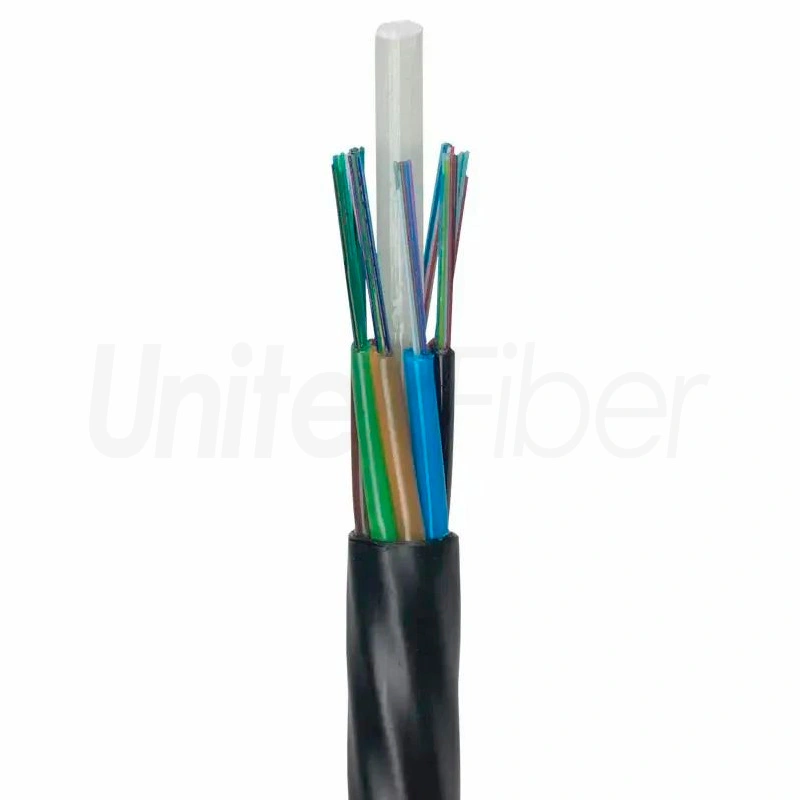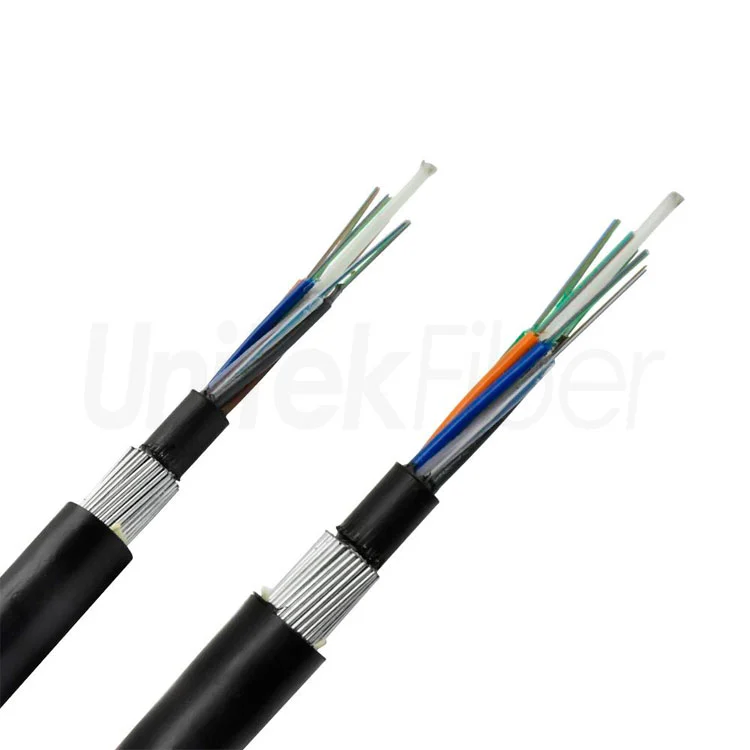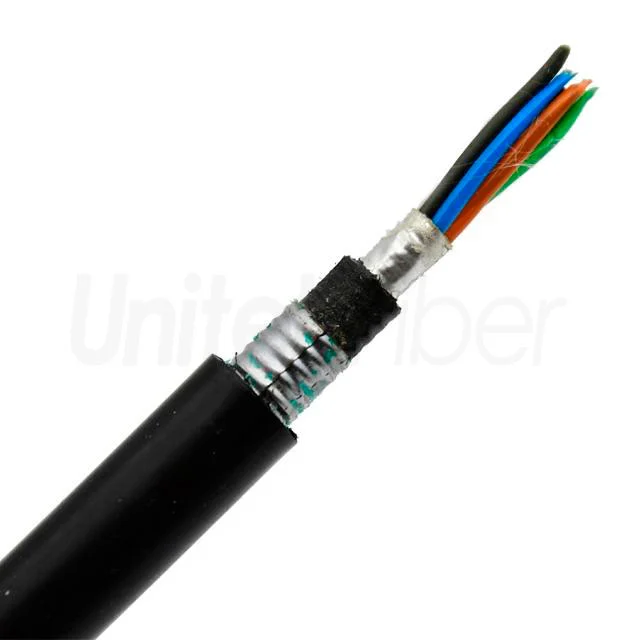

Fiber optic cables should be stored in a dry, well-ventilated, dust-free space with a stable temperature between -20°C and 70%, avoiding extreme heat, humidity and sharp temperature swings. Keep fiber optical cables away from physical damage like excessive bending or squeezing, protect fiber end faces from contamination and direct contact, carry out regular inspections, and label fiber cables clearly for proper management to preserve their performance and service life.
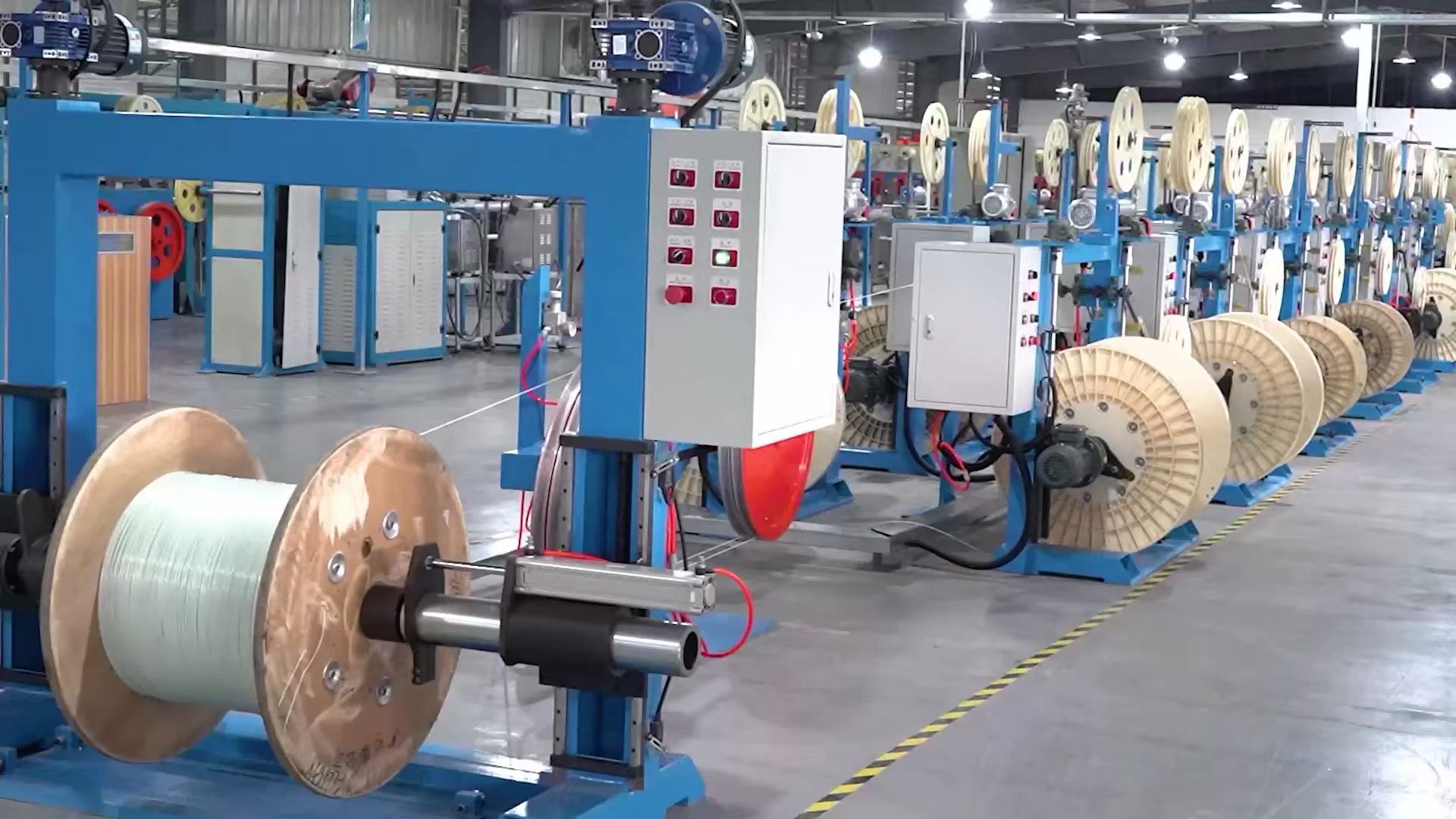
An optic cable serves as a core optical transmission component dedicated to transmitting light signals, making proper storage methods critical to preserving its service life and operational performance. Throughout the storage period, strict adherence to fundamental storage guidelines is essential to keep fiber optical cables intact and free from damage. As a professional optic cable supplier, UnitekFiber details the core storage specifications and best practices in this article to help maintain fiber cable performance and extend its usable life.
Stable ambient temperature is one of the key conditions for safe optic cable storage. The storage environment must maintain a consistent temperature, avoiding sharp and frequent fluctuations that can damage the optic cable’s internal structure and outer jacket.
The conventional storage temperature for fiber optical cables ranges from -20°C to 70°C, suitable for most mainstream optical cable products. For specialized fiber cables made of unique materials or designed for custom specifications, the temperature range can be adjusted accordingly to match product performance parameters.
Fiber optic cables must never be stored in persistently humid, high-temperature, or freezing environments. Extreme temperatures and humidity can trigger material expansion, contraction, cracking, or aging, leading to permanent performance degradation or structural damage.

Fiber optic cables are highly sensitive to moisture and dust, so the storage space must meet strict dryness and cleanliness standards to prevent signal loss and material corrosion.
The storage area should be dry, well-ventilated, and free of dust, oil stains, corrosive gases, and other harmful contaminants. Damp conditions will cause moisture to penetrate the fiber cable interior, leading to increased transmission loss, weakened signal strength, and long-term deterioration of optical fibers and internal components.
Effective moisture-proofing solutions should be implemented during storage. Common practices include installing dehumidifiers in the storage zone to regulate humidity, placing desiccants near fiber optical cable reels, and sealing fiber cable openings properly to block moisture intrusion.
Mechanical damage is a major threat to stored fiber optical cables, so strict precautions must be taken to avoid external force damage and maintain the fiber cable’s original shape.
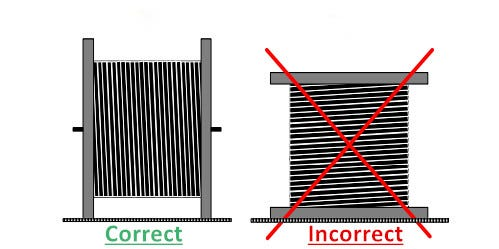
During storage, prevent excessive bending, stretching, squeezing, or heavy impact on the optic cables. Do not stack heavy objects on top of fiber cable reels or bundles, and avoid rough handling that can break internal optical fibers. Use professional storage equipment such as cable racks, protective cases, and standard fiber optic cable reels to secure the fiber optic cables, ensuring they maintain a compliant bending radius and avoid structural deformation.
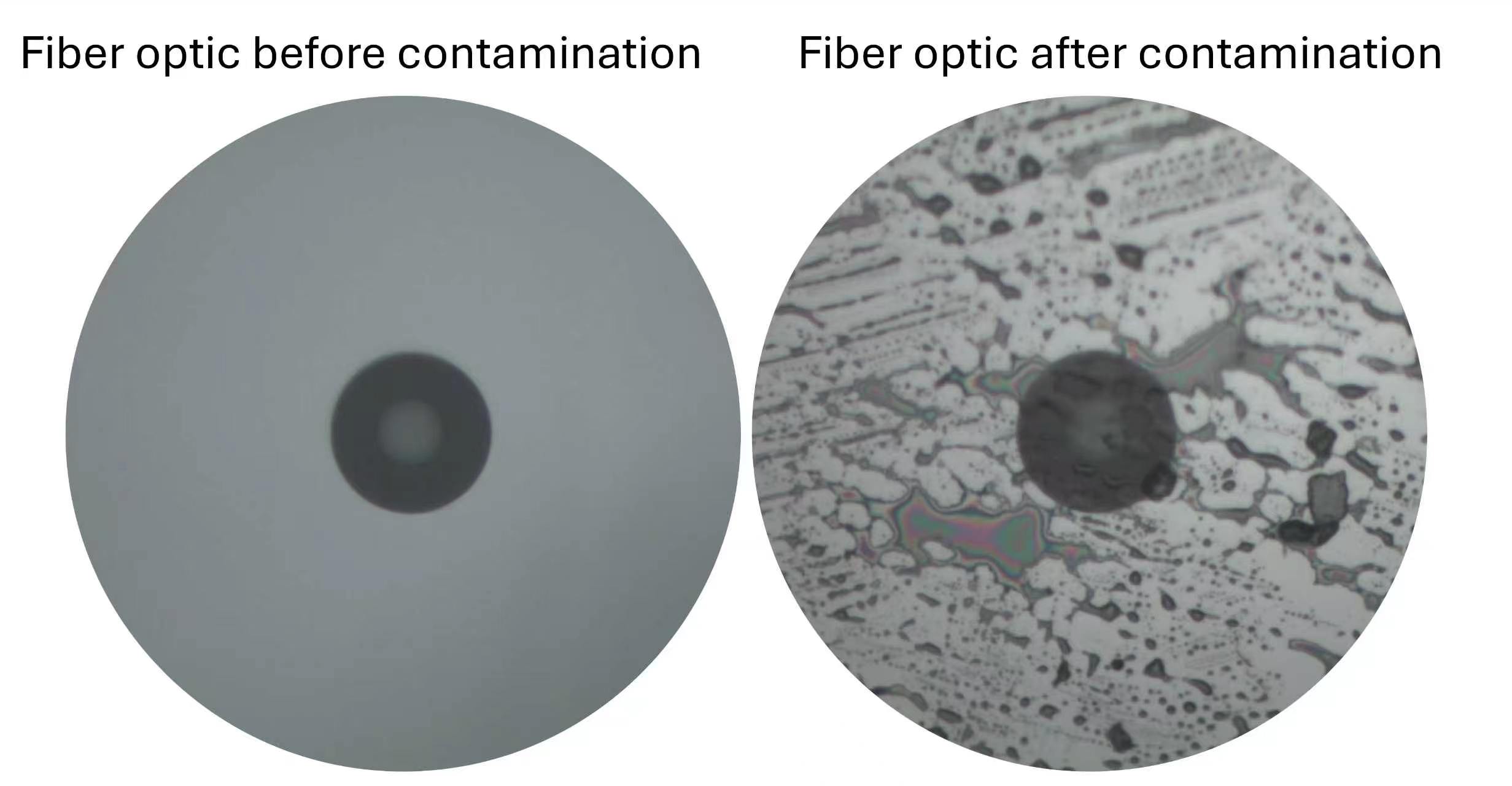
Fiber end faces are precision components that directly affect signal transmission quality, and even minor contamination can cause signal attenuation, insertion loss, or connection failure. Full protection of fiber end faces is mandatory during storage.
Avoid direct contact with fiber end faces during handling and storage. Always use clean, professional tools when operating fiber cables, and never touch end faces with bare hands or dirty cloths. If dust or dirt accumulates on the end faces, wipe them gently with specialized lint-free cloths or cleaning tissues to remove contaminants without scratching the surface.
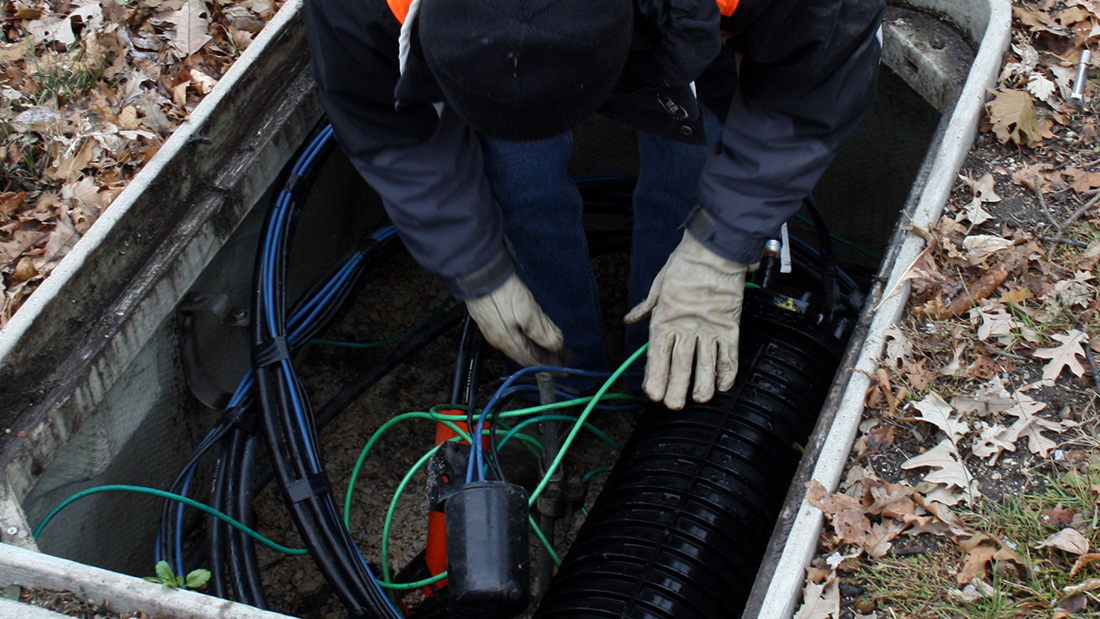
Long-term storage requires routine inspections and upkeep to detect potential hazards early and fix defects promptly, preventing small damages from escalating into major failures.
Establish a regular inspection schedule, checking the storage environment weekly or monthly to verify temperature, humidity, and cleanliness meet standards. Conduct thorough checks of the optic cable appearance, outer sheath, connectors, and protective fixtures at fixed intervals. Look for signs of wear, cracking, corrosion, or loose fittings, and repair or replace faulty components immediately to keep fiber optic cables in usable condition.
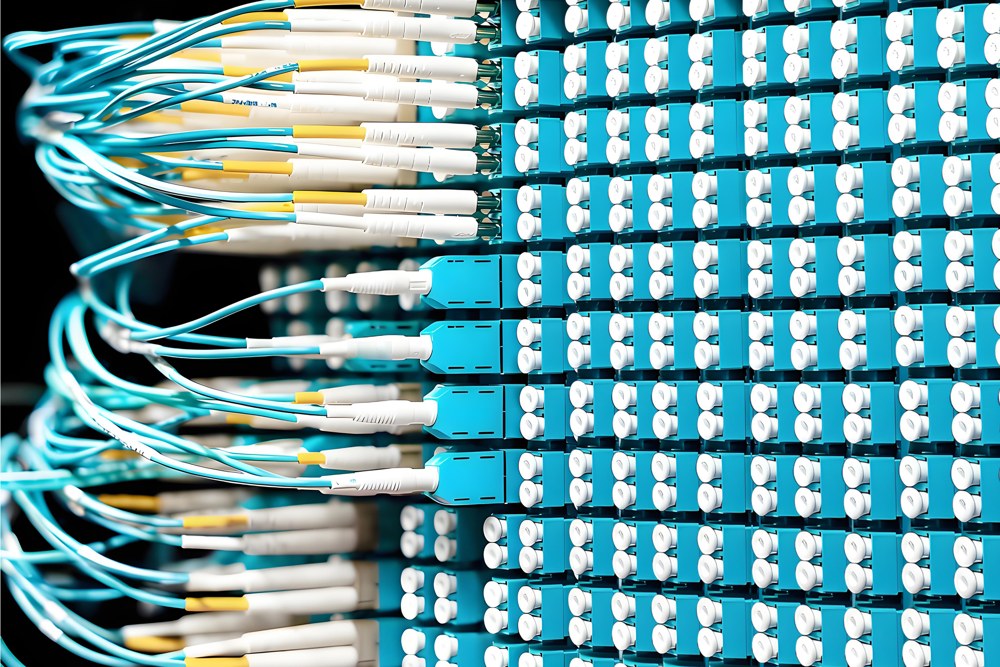
Standardized identification and filing streamline fiber optical cable management, making storage, retrieval, and maintenance more efficient, especially for large inventories.
Label each fiber optic cable or fiber cable reel clearly with key details including specifications, length, model, production date, and usage purpose. Build a dedicated storage archive to record comprehensive information such as inventory status, maintenance history, replacement records, and inspection logs. This systematic approach supports efficient daily management and accurate traceability for future usage and maintenance.
Standardized fiber optical cable storage is vital to sustaining long-term performance, transmission reliability, and service life. As a professional fiber optic cable manufacturer, UnitekFiber provides a comprehensive range of fiber optic cables, including indoor and outdoor drop cables, ADSS cables, aerial fiber optic cables, duct fiber cables, and direct-buried fiber cables, catering to a wide variety of installation needs.
 5G 6G Fronthaul & Backhaul
View More
5G 6G Fronthaul & Backhaul
View More
 Data Center & Cloud Interconnect
View More
Data Center & Cloud Interconnect
View More
 Enterprise & Industrial Optical
View More
Enterprise & Industrial Optical
View More
 FTTx & Access Solutions
View More
FTTx & Access Solutions
View More
 Metro & Access Networks
View More
Metro & Access Networks
View More
 Optical Cabling Systems
View More
Optical Cabling Systems
View More
 Optical Transceivers & Interconnect
View More
Optical Transceivers & Interconnect
View More
 WDM & High-Capacity Transmission
View More
WDM & High-Capacity Transmission
View More
+86-755-21034367