Anti-rodent fiber optic cables and regular fiber optic cables differ significantly in several aspects, primarily in their design purpose, structural features, application scenarios, and performance advantages. The following is a detailed comparison of the two:
The primary design purposes of anti-rodent fiber optic cables are to prevent damage to the optical cable from rodents (such as rats, birds, squirrels, etc.).These animals may chew through the outer sheath or internal optical fibers, leading to communication interruptions or signal quality degradation.
Therefore, anti-rodent fiber optic cables are specially designed in terms of materials and structure to enhance their resistance to chewing.
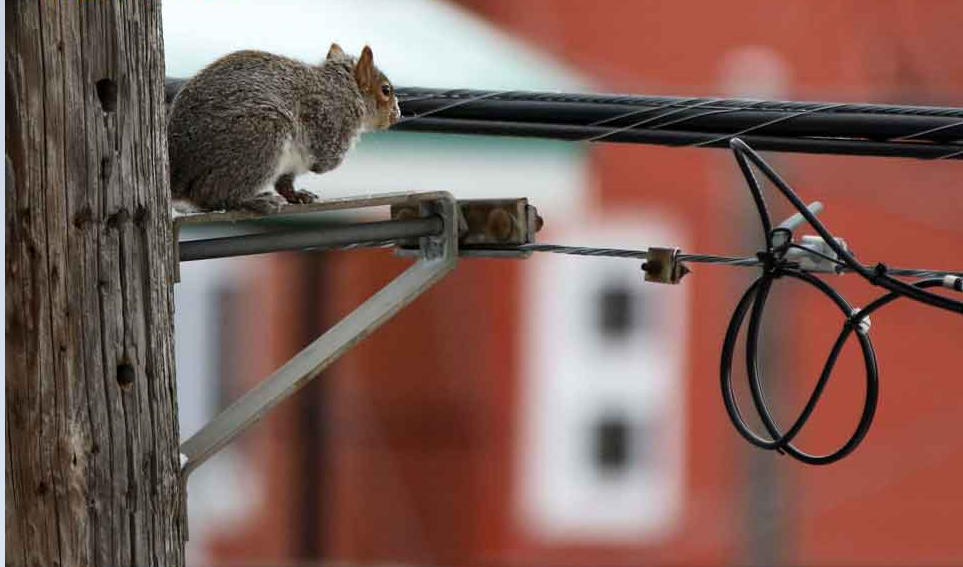
The primary design purposes of regular fiber optic cables are to meet the needs of communication and data transmission.It typically focuses on the transmission performance of the optical fiber, the mechanical strength of the fiber optic cable, and its durability.
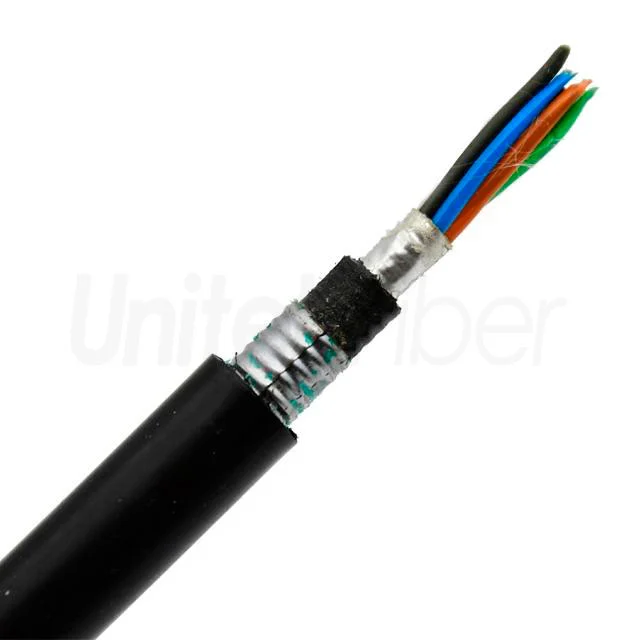
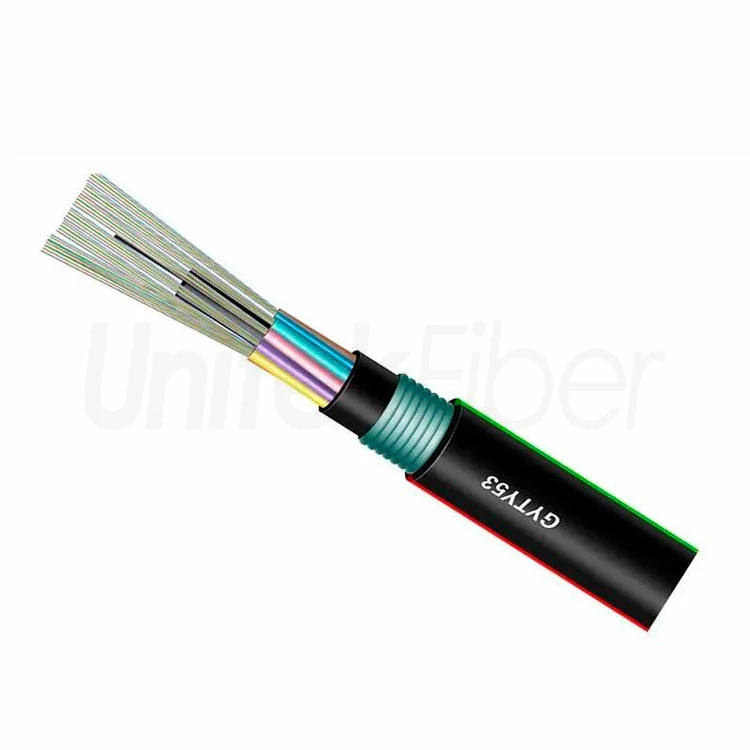
Anti-rodent fiber optic cables employ special physical and chemical rodent-proofing technologies.Physical rodent-proofing technologies include the use of rigid materials such as metal armor layers, steel tape, glass yarn, or nylon sheaths to prevent chewing damage. Chemical rodent-proofing technologies involve adding highly irritating chemicals (such as capsaicin) to the fiber cable sheath material to repel rodents.
Furthermore, anti-rodent fiber optic cables may employ special structural designs, such as combining wrapped round fine steel wires with plastic-coated steel tape, to enhance their anti-chewing capabilities.
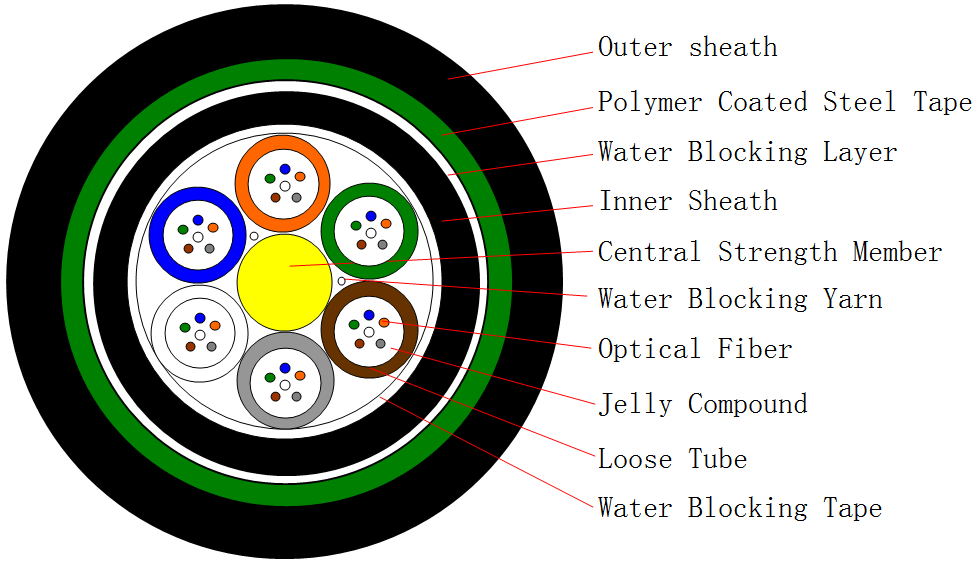
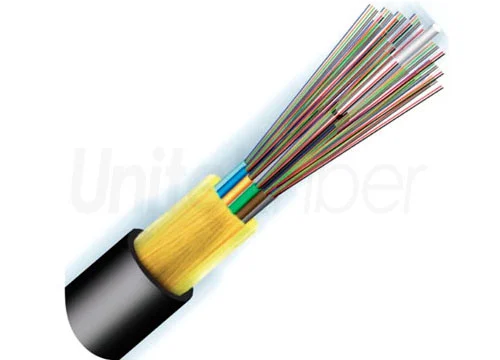
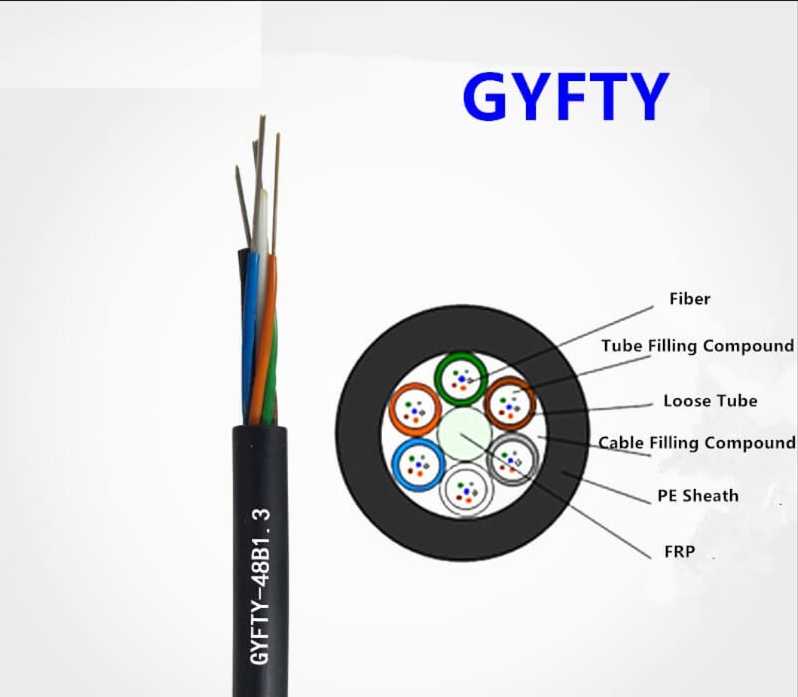
The regular fiber optic cables, in a relatively simple structure, typically consist only of basic components such as optical fibers, sheaths, and reinforcing cores. These type of fiber optic cables may employ stranded, skeleton, central loose tube, or ribbon structures to adapt to different application scenarios and transmission requirements.
The Anti-rodent fiber optic cables are primarily used in areas with high rodent populations, such as mountainous regions, hilly areas, and farmland. The fiber cables are also suitable for communication networks requiring high reliability and stability, such as long-distance communication, local trunk lines, and lightning and electric field protection.
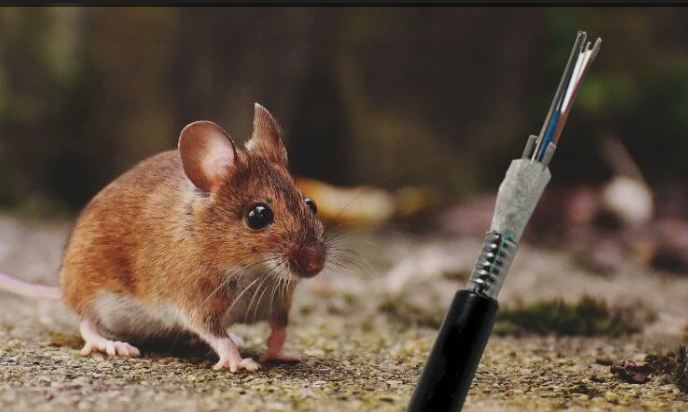
The regular fiber optic cables are widely used in various communication and data transmission scenarios, including indoor cabling, duct laying, and overhead installation. These optic cables are also suitable for different network layers, such as core networks, metropolitan area networks (MANs), and access networks.
Anti-rodent fiber optic cable possesses high tensile and compressive strength, preventing bites from rodents and other animals. The special materials and structural design of Anti-rodent fiber optic cable give it excellent rodent-proofing performance, ensuring the stability and reliability of the communication network.
Additionally, anti-rodent fiber optic cables also have good water resistance, moisture resistance, corrosion resistance, and UV resistance, enabling them to adapt to harsh outdoor environments.
Regular fiber optic cable primarily focuses on the transmission performance of the optical fiber, such as attenuation, bandwidth, and dispersion. It has high mechanical strength and durability, meeting general communication and data transmission needs.
Anti-rodent fiber optic cables and regular fiber optic cables differ significantly in design purpose, structural characteristics, application scenarios, and performance advantages. When selecting fiber optical cables, comprehensive considerations should be given to the specific application scenario and requirements to ensure the selection of the most suitable fiber cable type. As a professional fiber optic cable manufacturer, UnitekFiber provide types of fiber optic cables, such as Anti-rodent fiber optic cables, ADSS fiber optic cables, figure 8 fiber cables, underground fiber optic cables.
 5G 6G Fronthaul & Backhaul
View More
5G 6G Fronthaul & Backhaul
View More
 Data Center & Cloud Interconnect
View More
Data Center & Cloud Interconnect
View More
 Enterprise & Industrial Optical
View More
Enterprise & Industrial Optical
View More
 FTTx & Access Solutions
View More
FTTx & Access Solutions
View More
 Metro & Access Networks
View More
Metro & Access Networks
View More
 Optical Cabling Systems
View More
Optical Cabling Systems
View More
 Optical Transceivers & Interconnect
View More
Optical Transceivers & Interconnect
View More
 WDM & High-Capacity Transmission
View More
WDM & High-Capacity Transmission
View More
+86-755-21034367